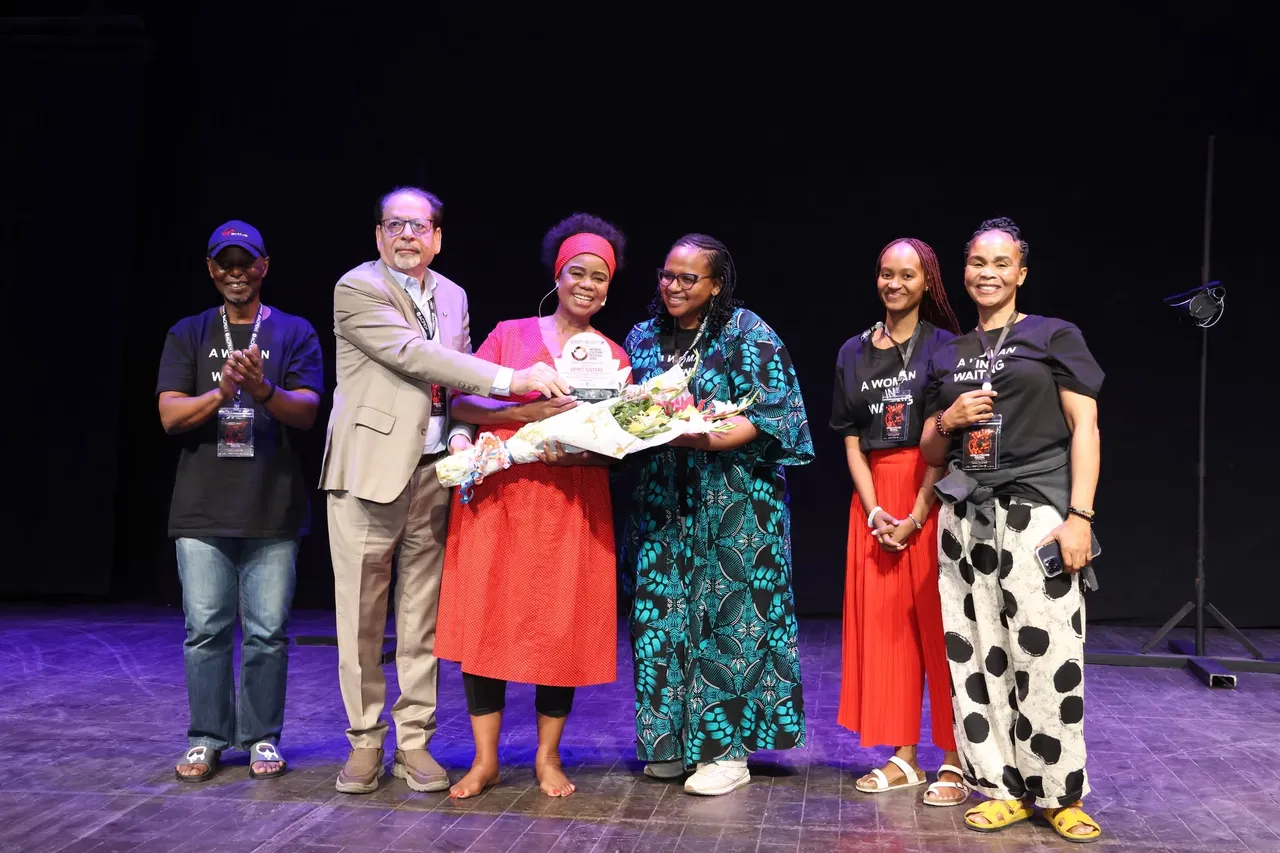
A WOMAN IN WAITING: WHEN ONE WOMAN'S STORY BECOMES EVERY WOMAN'S STORY
A South African theatrical production, called Spirit Sisters Productions, explores women's resilience, family separation, generational struggles and the universal desire to be seen and heard, finding powerful connections with audiences across the world.
What does it mean to be a woman in waiting? Is she waiting for recognition, an opportunity, reconciliation or simply the freedom to decide the course of her own life?
For the creative team behind "A Woman in Waiting" including Thembi Mtshali-Jones as the Lead Actress, Busisiwe Mazibuko as Director, Phumzile Mtshalj as Producer and Amanda Nkosi as Production Manager, the answer lies in a deeply personal story that reaches far beyond the experiences of its protagonist. Rooted in South African realities, the production explores resilience, family relationships, social inequalities, and the emotional struggles of women whose lives are often shaped by circumstances beyond their control.
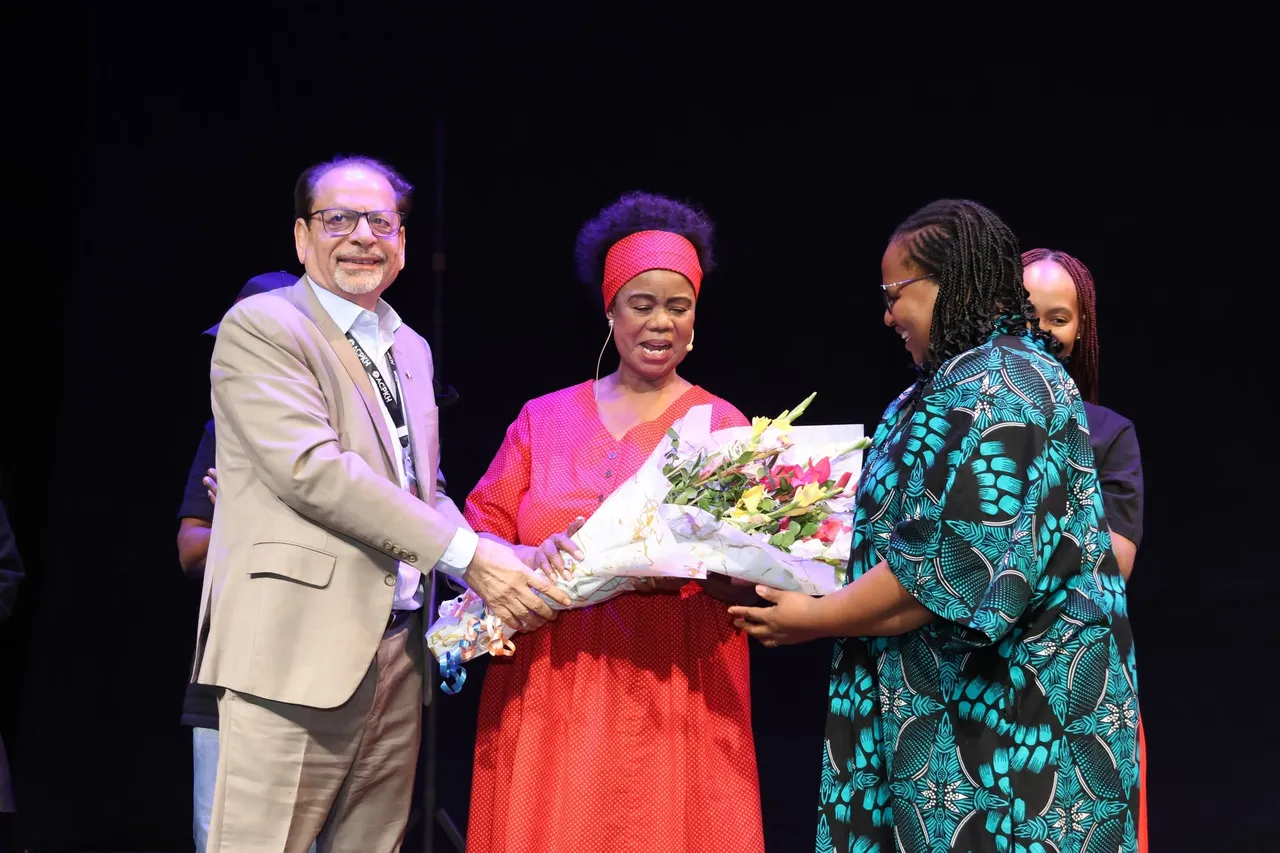
Describing the play as a biographical story, Thembi Mtshali-Jones explains, “Although it follows one woman's journey, its themes are familiar to women everywhere. It is a story about strength and survival, but also about the experiences that connect women across generations, communities and cultures.”
A South African Story, A Universal Experience
At its heart, "A Woman in Waiting" is a family story. It explores the lives of children growing up without their parents because economic circumstances have forced mothers and fathers to seek employment elsewhere.
In many communities, grandparents, particularly grandmothers, become the primary caregivers, raising children whose parents have moved to cities in search of work. These arrangements create complex family dynamics, where children grow up longing for parental affection and the possibility of eventually being reunited with their families.
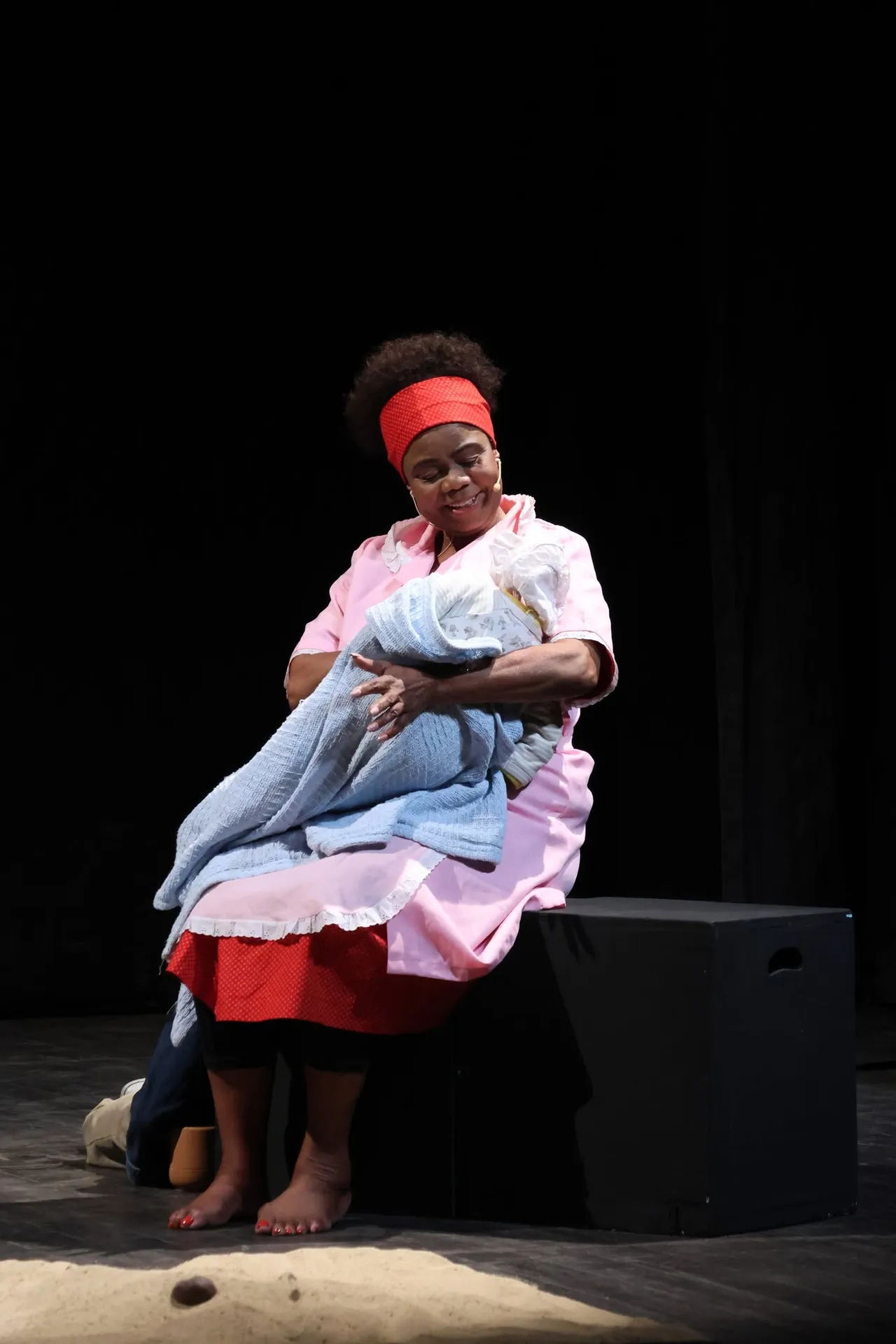
The production also recognizes the importance of community support. When families are separated, communities often become the networks that hold people together.
Its South African identity is equally important. The narrative reflects the historical oppression experienced by Black communities and examines how social and economic circumstances continue to influence family structures and individual lives. It also highlights the differences between village and urban environments, particularly for children who grow up in rural communities before moving to cities and encountering an entirely different way of life.
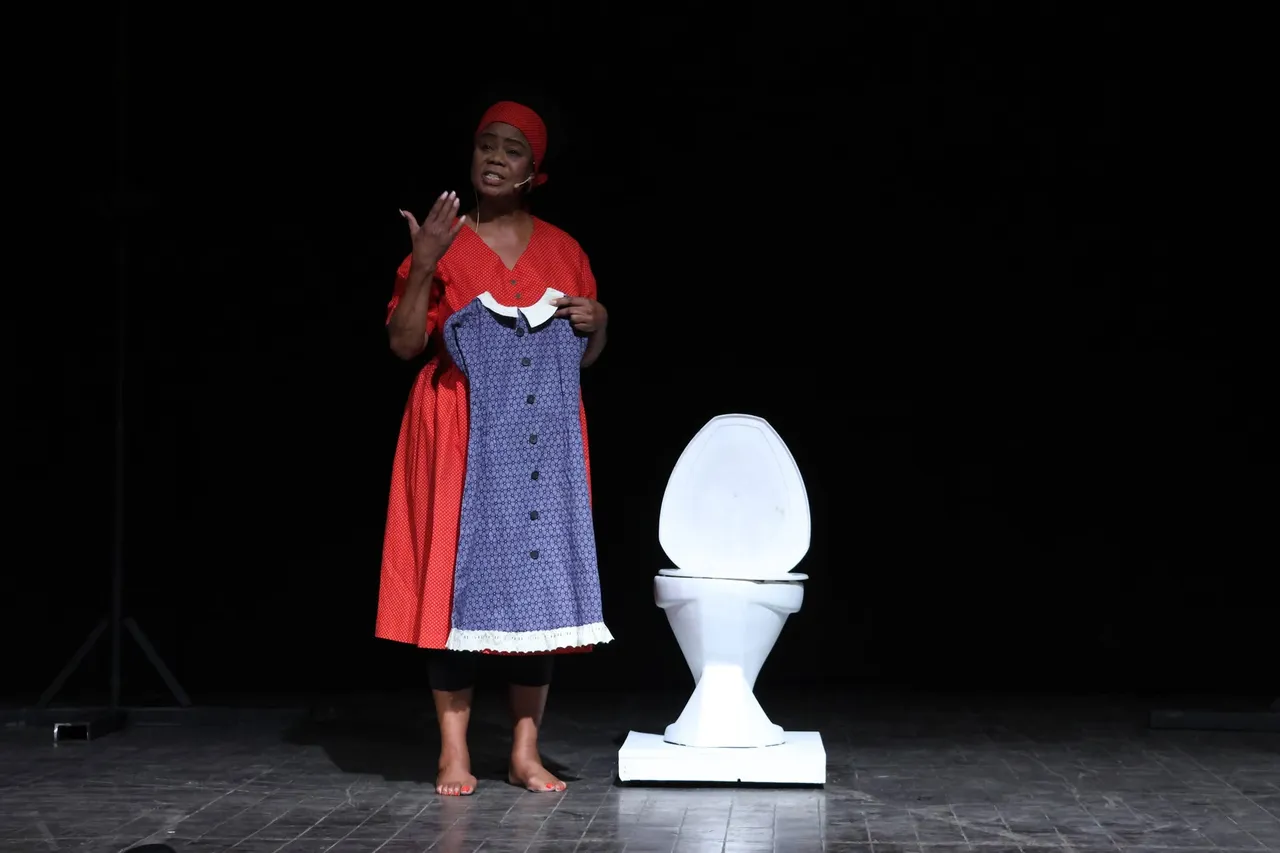
“Despite its specific cultural setting, the story offers something for everyone. Its emotional foundations are universal spanning across the aspects of belonging, separation, sacrifice, love, and the desire to be heard,” the crew shared.
Theatre as the Voice of the Oppressed
For the Spirit Sisters, the evolution of South African theatre is closely connected to the country's political and social history.
When they began working in theatre, storytelling was largely centered on the struggle against white oppression. Artists used performances to communicate the experiences of Black South Africans at a time when freedom of expression was severely restricted.
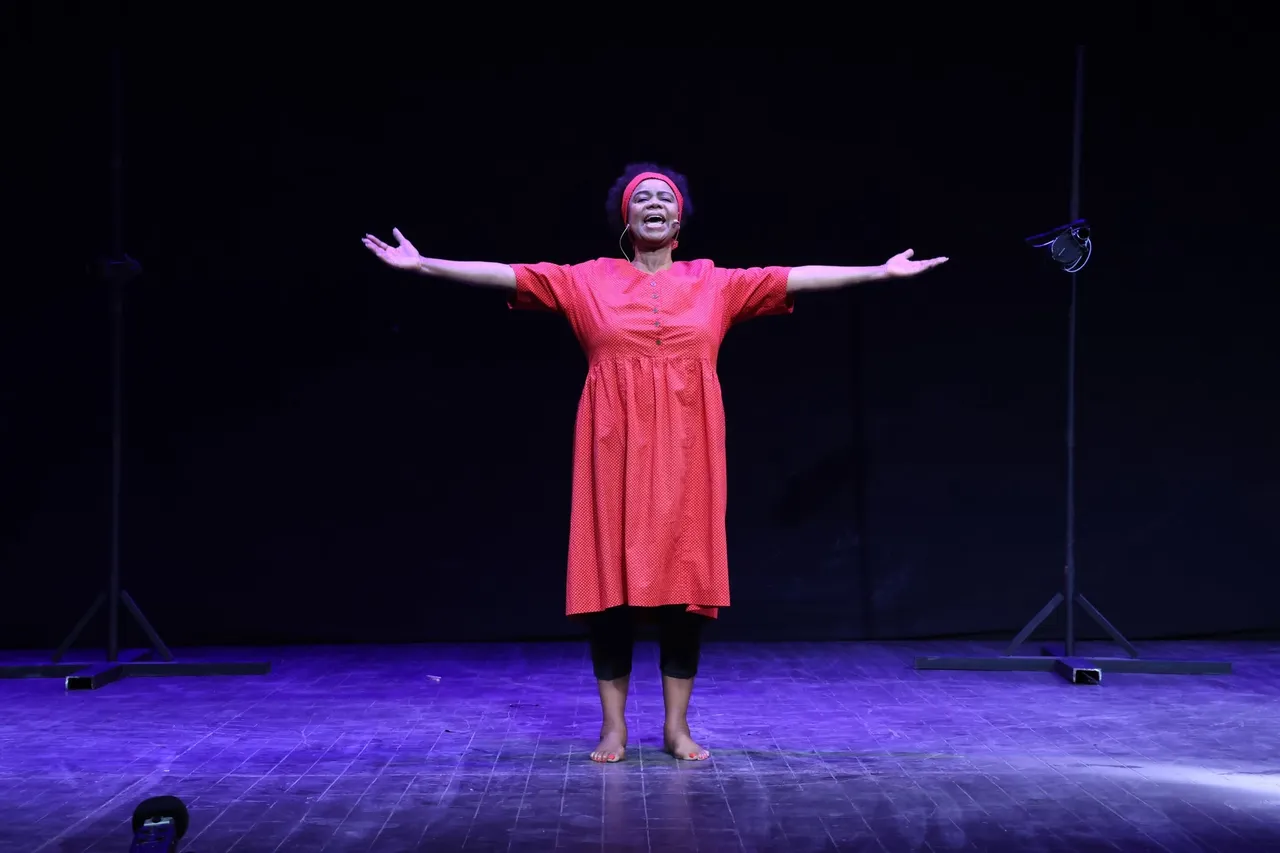
Some productions were banned before they could even reach the stage, forcing artists to take their work overseas. Theatre consequently became an important voice for communities whose experiences and political realities were otherwise suppressed.
With political leaders imprisoned, banned or living in exile, storytelling became a powerful means of educating audiences about the country's history.
Why Are Women Always Waiting?
The title "A Woman in Waiting" carries a meaning that extends well beyond the protagonist's circumstances.
“If you see around, you will see that women are frequently made to wait for opportunities and recognition. Even in large corporate organizations, women often find themselves overlooked when promotions are being considered, with men receiving opportunities before them,” Thembi opined.
“Women are expected to continue proving themselves, waiting to be noticed, discovered and heard. Their contributions may be substantial, but recognition does not always follow,” she shared further.
When asked what the woman would say if she could finally leave the waiting room, Thembi responded with a wonderfully defiant line, “She would tell those responsible to go home because she wants to rule the world.”
When a Performance Inspires a Phone Call Home
Having travelled to South Africa, the United States, Tunisia, Dubai, Azerbaijan, England, Hong Kong and the Caribbean islands, among other destinations, A Woman in Waiting has demonstrated its ability to connect with audiences across cultures.
One particularly moving encounter took place in Toronto, Canada, as narrated by Thembi.
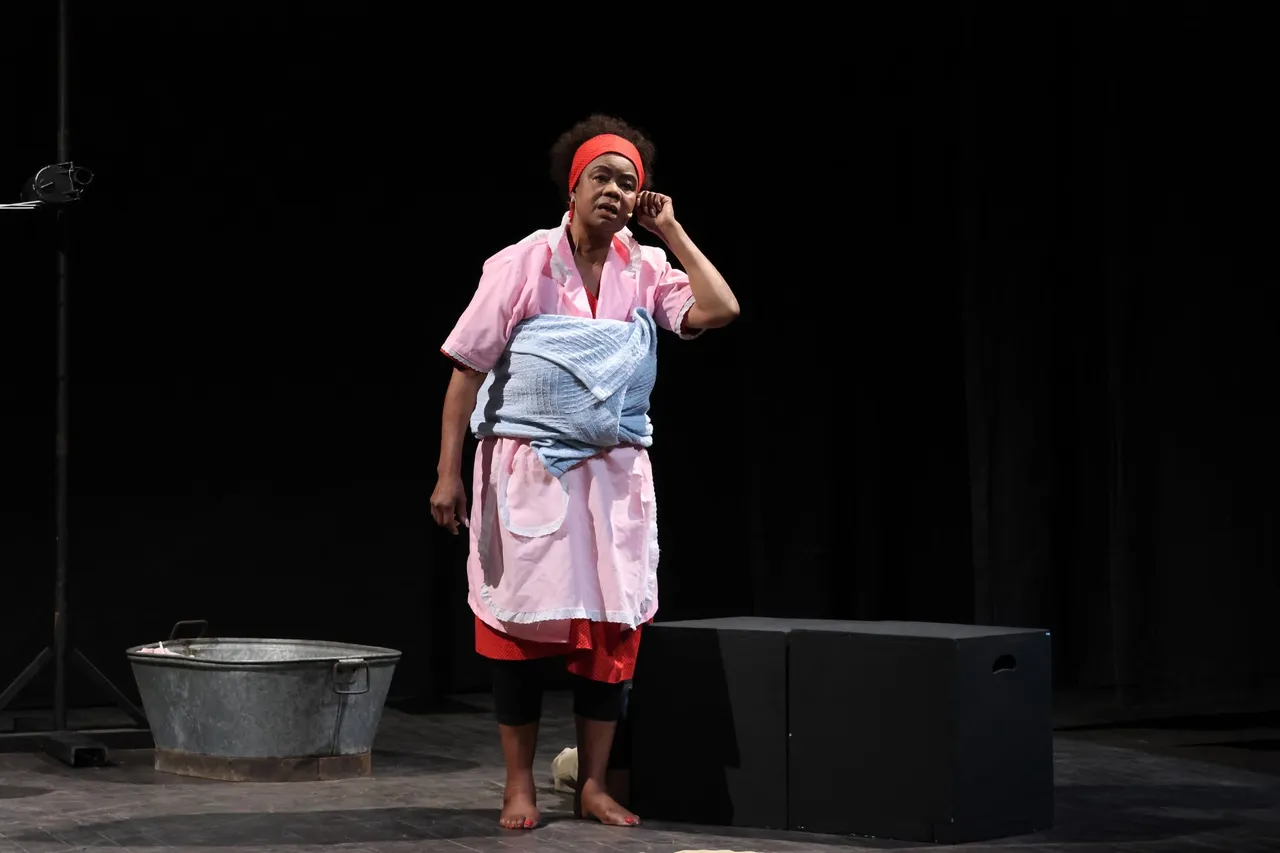
After a performance, Thembi noticed a young Japanese woman in the audience who had been crying throughout the show. Her Canadian partner tried to comfort her, and after the performance, the couple requested an opportunity to meet the performer.
The woman had been estranged from her mother in Japan following a family disagreement. Watching the production, which tells the story of a child longing to be reunited with her parents, brought her own unresolved relationship into focus.
The protagonist's eventual reunion with her parents deeply affected her. She realized that pride, rather than an insurmountable obstacle, had kept her from reconnecting with her mother.
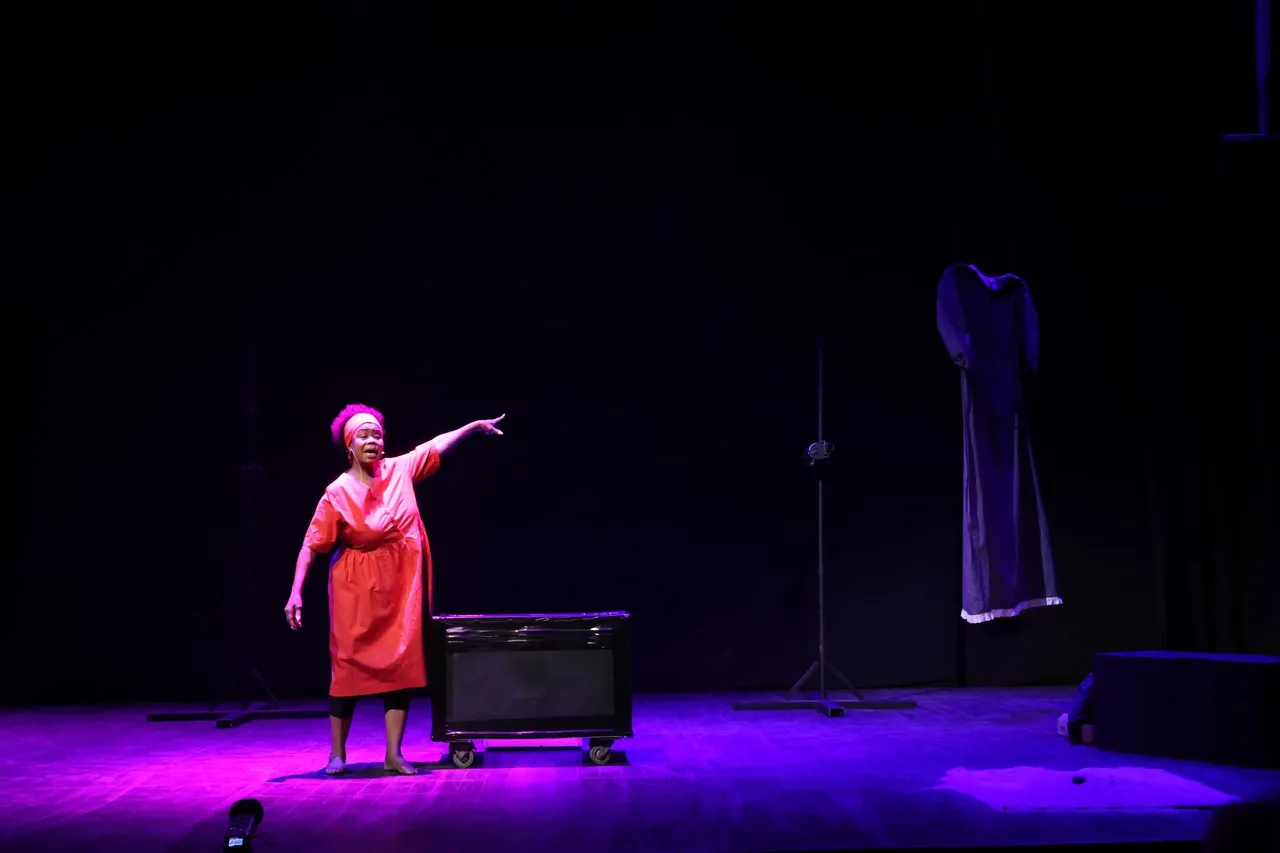
After discussing her feelings with her partner, she made a decision that when she returned home, she would call her mother.
For Thembi and the Spirit Sisters crew, this was a powerful reminder of theatre's ability to reach people on a deeply personal level. A performance can do more than entertain; it can encourage reflection, reconciliation and meaningful change.
Sharing Stories Through Cross-Cultural Collaboration
At this year's World Culture Festival, the Spirit Sisters team is taking its storytelling in a new direction by collaborating with Arts Council’s students, making the experience both challenging and exciting for them. Although language differences have presented some difficulties, the team has been encouraged by the enthusiasm of the students.
A "Woman in Waiting" may begin with one woman's story, but its message belongs to many: women deserve to be seen, heard and recognized, and their lives should never have to remain on hold.
Stories like this only grow when audiences show up for them. To keep up with what’s coming next, follow the Arts Council of Pakistan on its social media channels and stay updated on the interesting plays ahead. Your presence, and your voice, help keep these stories moving.