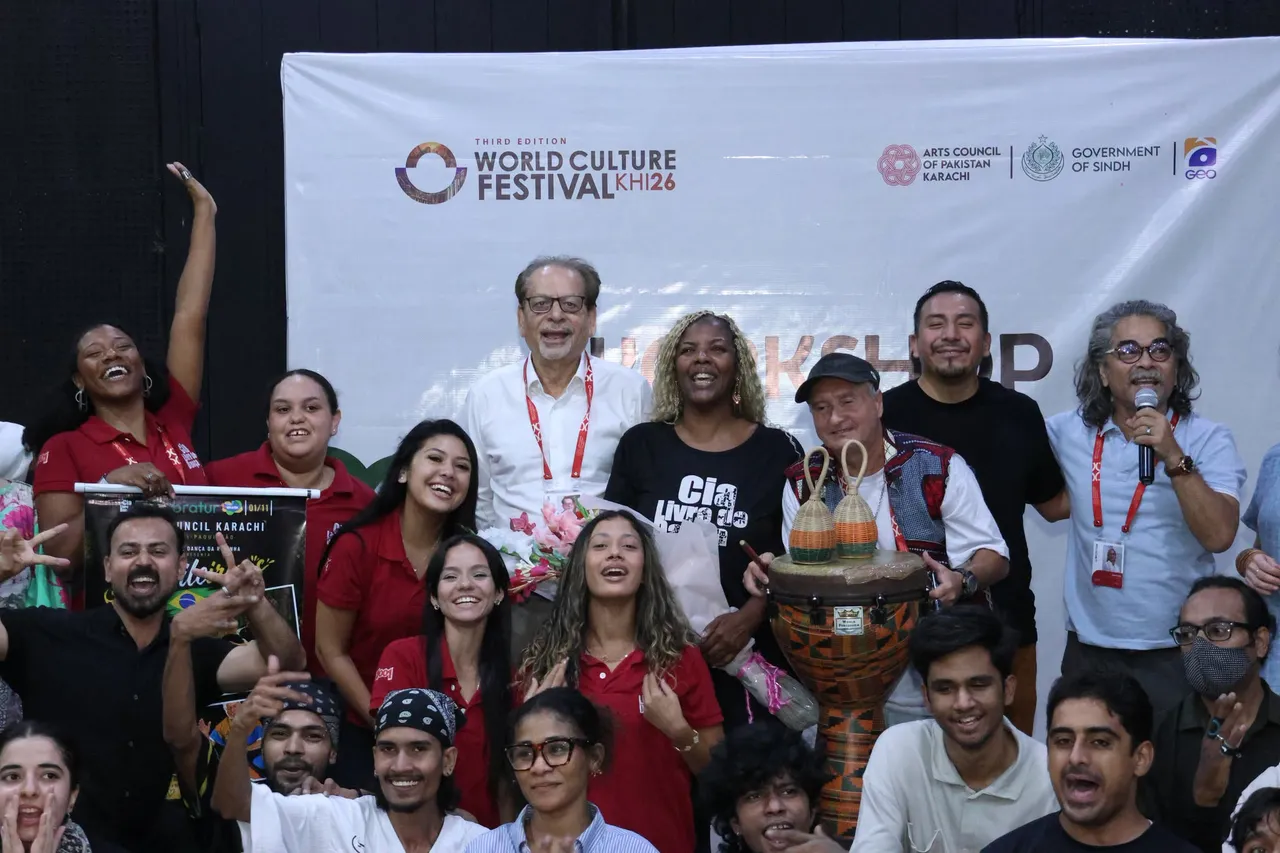
AFRO-BRAZILIAN DANCE: RIO'S RHYTHMS TAKE OVER KARACHI AT WORLD CULTURE FESTIVAL
Many years later, the participants of the Afro-Brazilian Dance Workshop held at the Arts Council as a part of World Culture Festival 2026, would remember the evening for the roaring drums, the enchanting beat and the vigorous dancers.
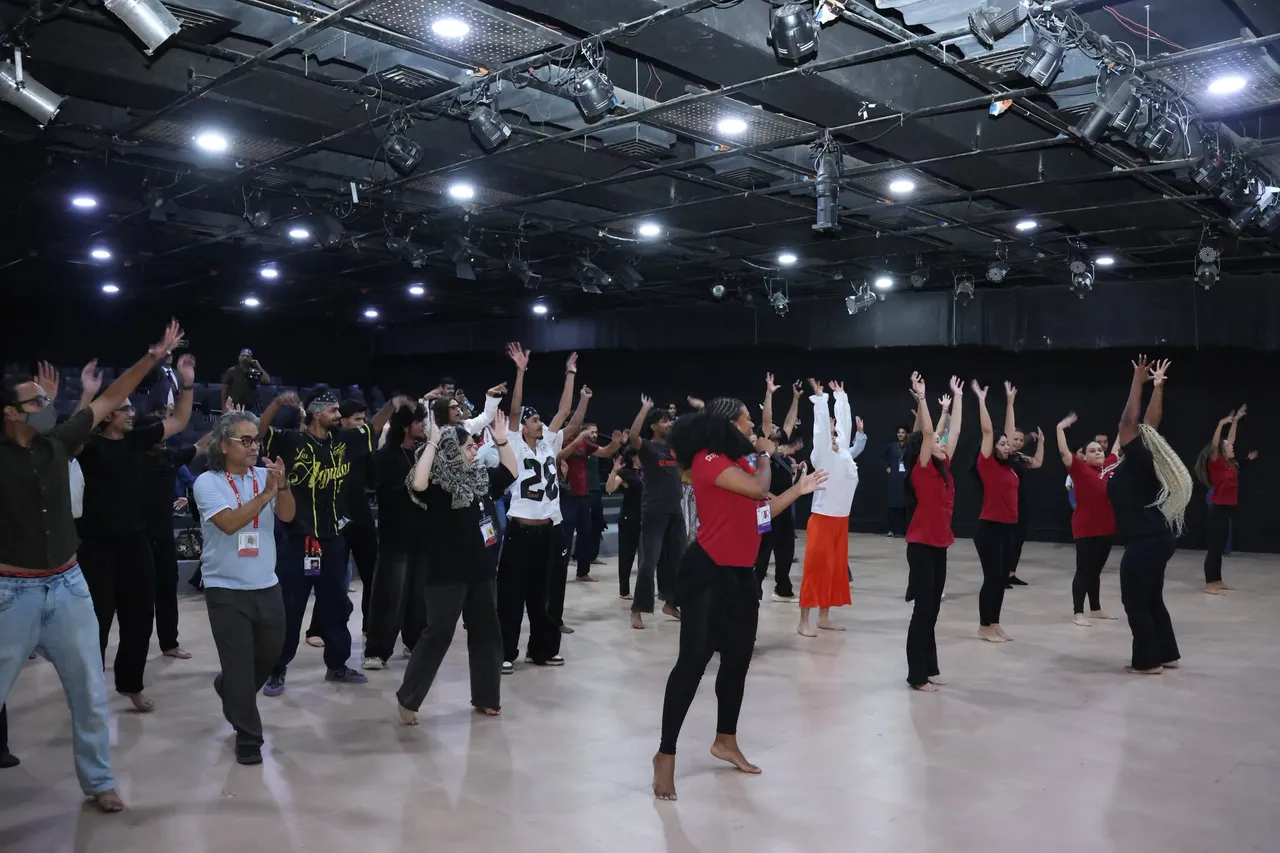
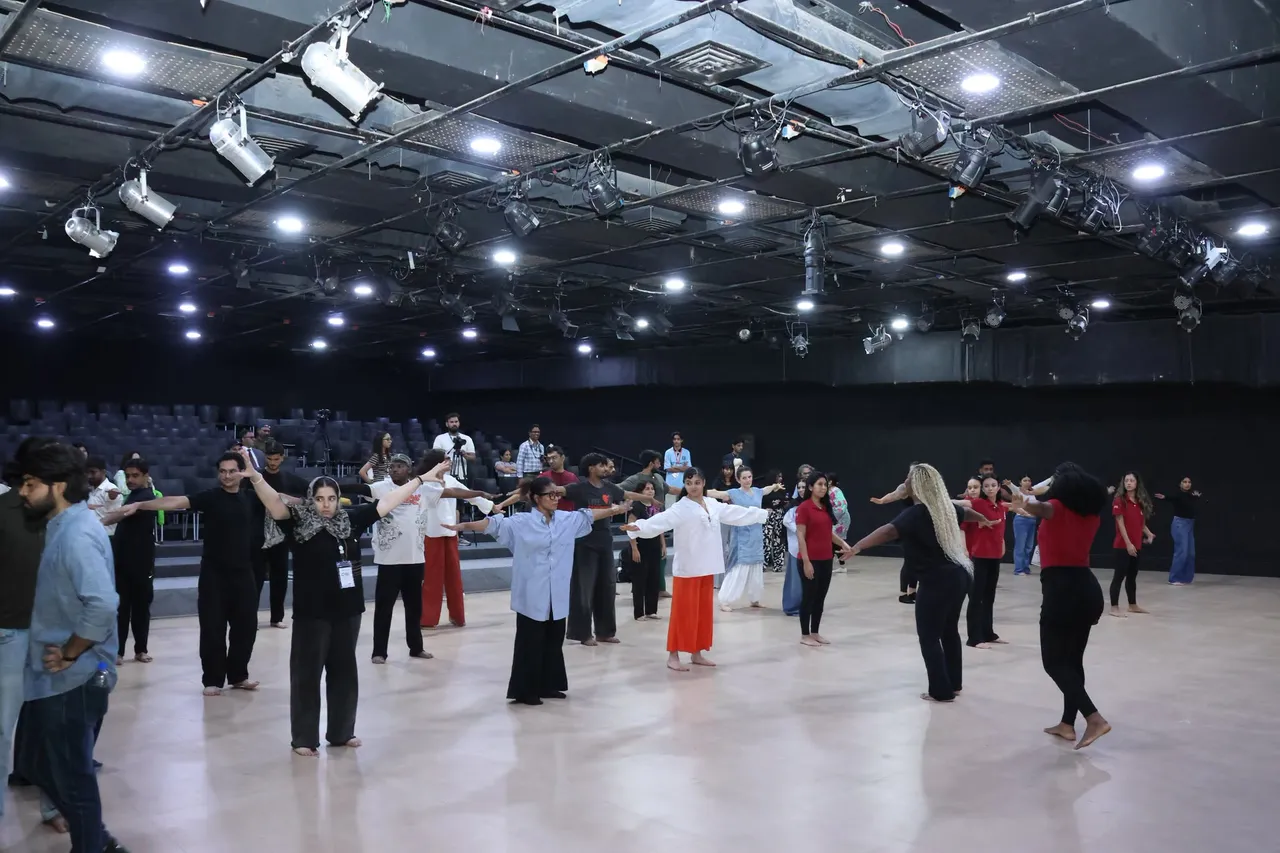
Artists hailing from Cia Livre de Dança da Rocinha, a non-profit dance company from Rocinha, Rio de Janeiro, Brazil, had crossed an ocean and half a continent carrying almost nothing but everything about the rhythm. In Karachi, a city accustomed to receiving the world's traders, poets and storms, nobody expected a drumbeat to be the thing that stayed. Yet by the time the first steps were taught, strangers who shared no language were answering one another with their movements, and their laughter. It was as if the beat had been waiting in the room all along, patient as an old relative, for someone to finally say its name.
Brasileirices - The Rhythms and Soul of Brazil
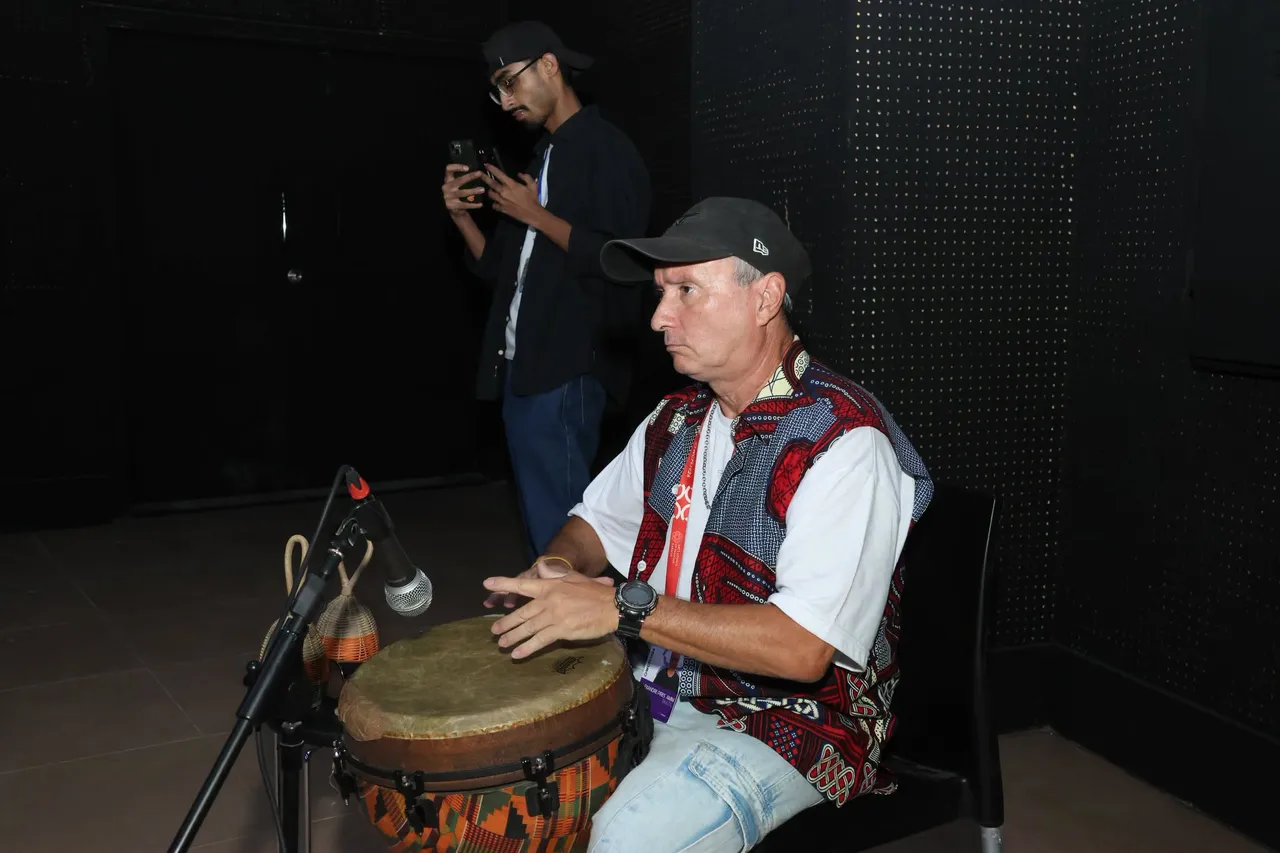
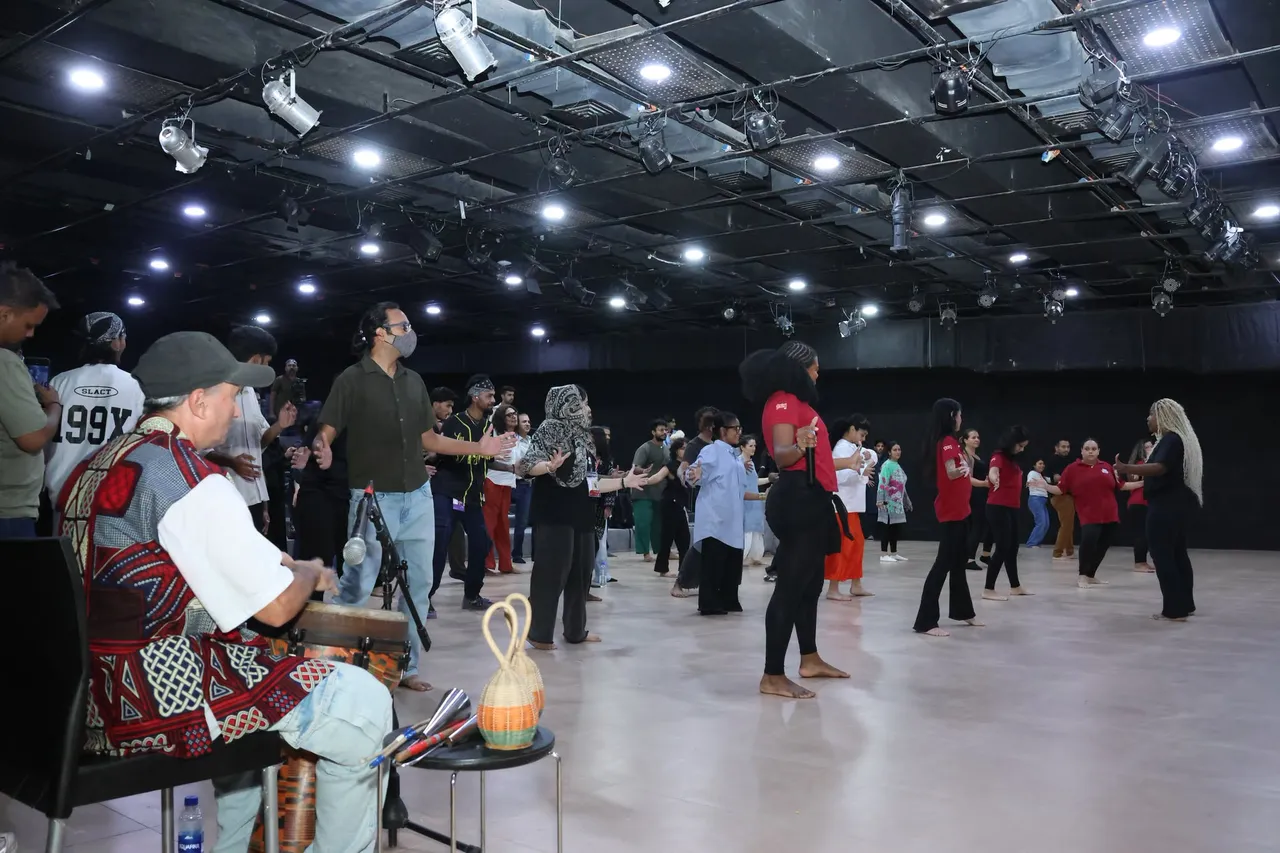
Cia Livre de Dança da Rocinha’s 30-minute performance called Brasileirices – The Rhythms and Soul of Brazil, paired dancers in the room with live percussion. Samba, folk traditions, and contemporary choreography shared one stage with the drums that set the pulse and the participants followed and moved. A shoulder dipped here, a foot found the beat there, and soon the whole room was moving. Nobody had planned it, and it had nothing to do with technique. Self-consciousness, the voice that says everyone is looking at me, gave way to the sound. For those thirty minutes, a trained performer and a first-time participant answered the same drumbeat, and the room moved as one.
The Distinctive Energy of Afro-Brazilian Dance
Mani Chao, who heads the Dance Department at the Arts Council, shared that the festival has brought together artists from every corner of the world; however, the African and Afro-descendant performers hold a special place in his programming. "We, at the Arts Council, particularly enjoy inviting African dancers to conduct workshops because of their unique approach, infectious energy and style of movement," he said.
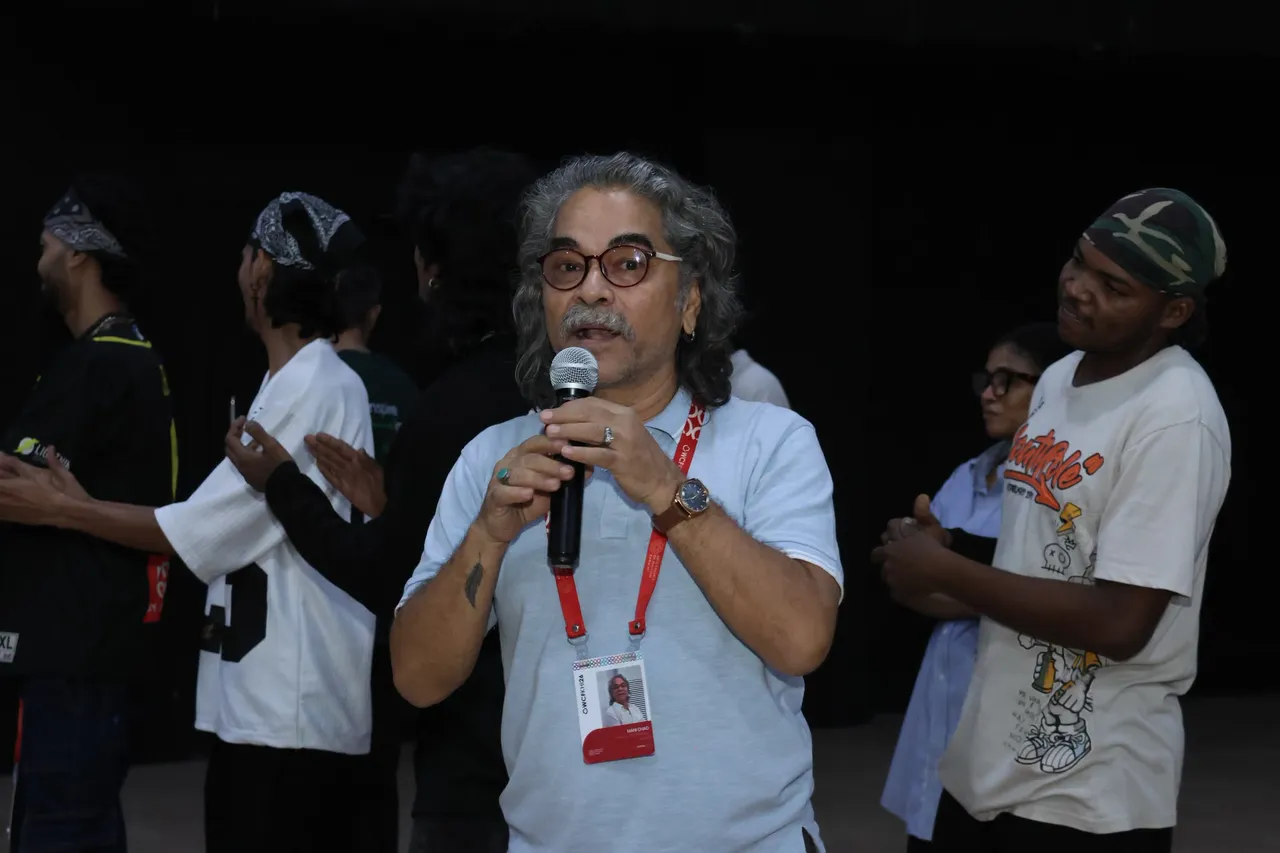
The sessions were deliberately open to the public. You didn't need a background in dancing, only a willingness to try. For Chao, that openness is the point: dance gives people a place to express emotion and release frustration, and Arts Council had provided an inclusive room, inviting people from every background to move freely.
The Surprise in the Room
The participants picked up the choreography almost immediately, and Chao admired how clearly the visiting dancers explained each movement.
He also noticed similarities between the African-rooted movement on the floor and Balochi and Sindhi folk dance. Had the music been an English pop song or a film soundtrack, he suggested, the response might have been very different. Instead, the rhythm landed somewhere familiar. People weren't memorizing steps. They were recognizing something.
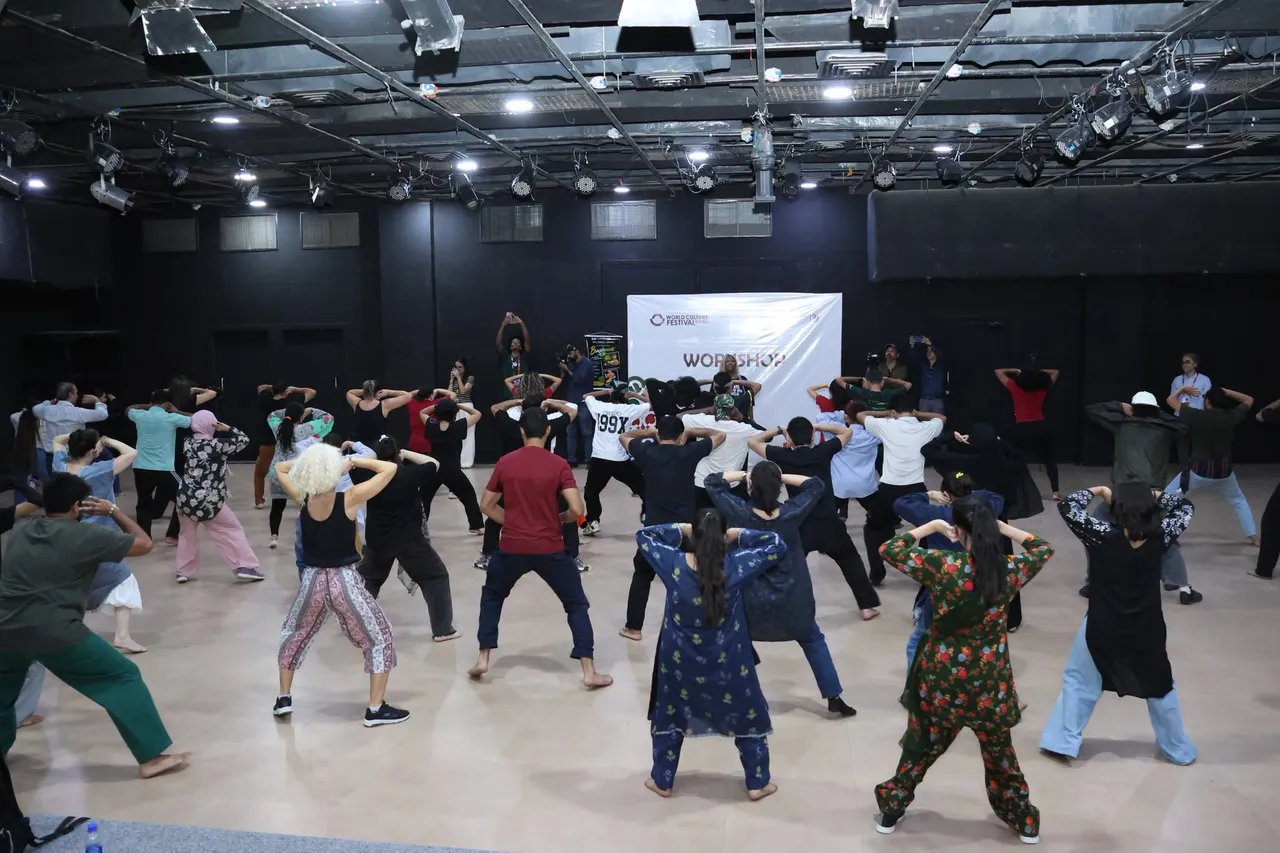
The visiting artist saw it too. Watching the students perform what she had just taught them, she confessed she was overwhelmed: "I am so emotional and I'd like to pretend I didn't see it. Because I would like to see that again."
Her philosophy is simple enough to fit on a poster: "When we dance, we dance with love." And in that workshop it looked like a stranger's hand on your shoulder, a drumbeat you somehow already knew, and a room full of people discovering they were closer than the map suggests.
Needless to say, dance may have different origins across the world, but its ability to bring people together is universal.
Don't Miss the Next Beat!
The festival floor is only warming up. Follow us for announcements about upcoming workshops, and come ready to move. No experience is required, only curiosity. Stay tuned, because the next rhythm might be one you already know.