ALEKSANDAR LIPOVAN ON IMPROVISATION, ARTISTIC FREEDOM AND THE LANGUAGE OF MUSICAL COLLABORATION
Improvisation is often associated with spontaneity, technical brilliance and the ability to create music without preparation. But for Serbian musician, Aleksandar Lipovan, its true essence lies somewhere deeper: in knowledge, self-discovery, confidence and the willingness to embrace the unexpected.
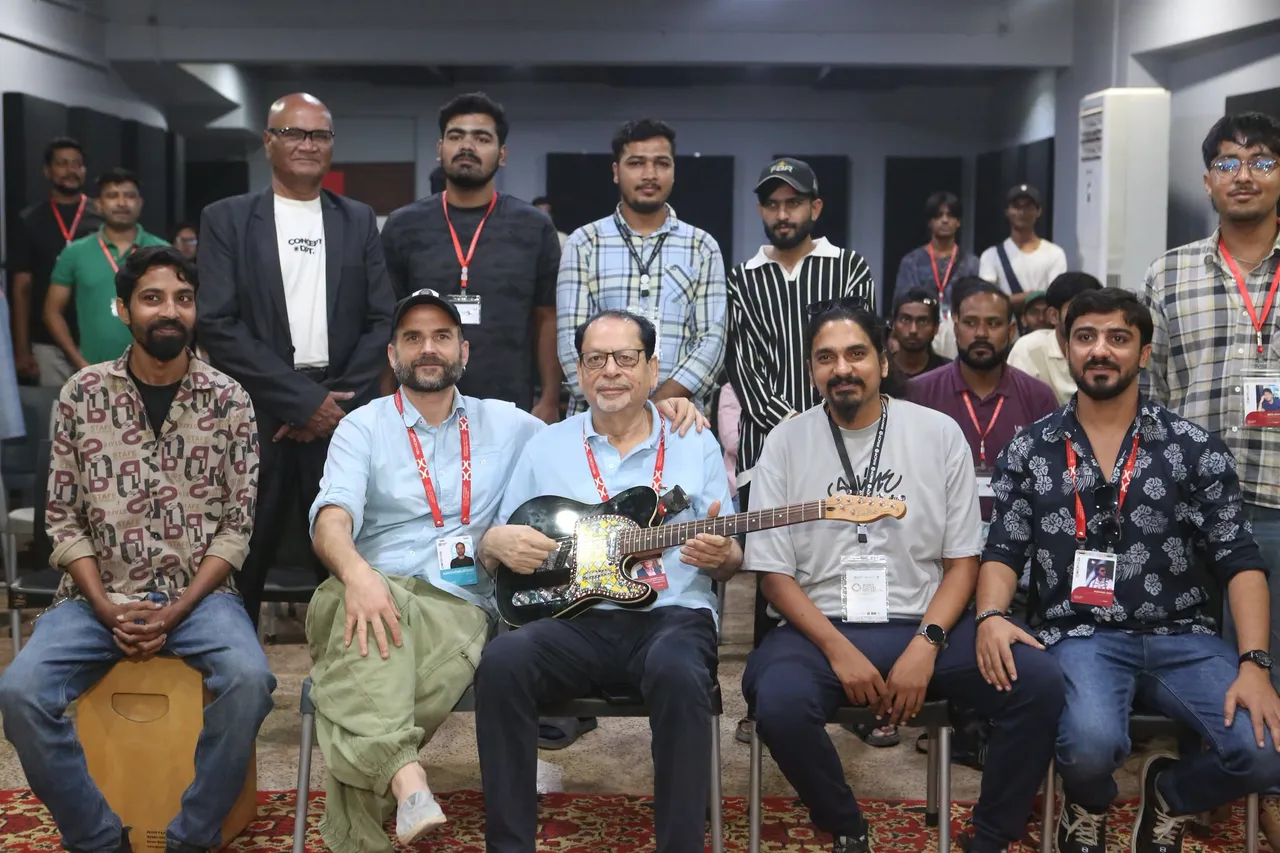
As part of the ongoing World Culture Festival 2026, the Arts Council of Pakistan, Karachi, hosted an engaging Jam & Improvisation Music workshop, conducted by Aleksandar Lipovan. The interactive session brought together aspiring local musicians, artists and music enthusiasts for a hands-on exploration of real-time improvisation, and collaborative jamming across various musical styles.
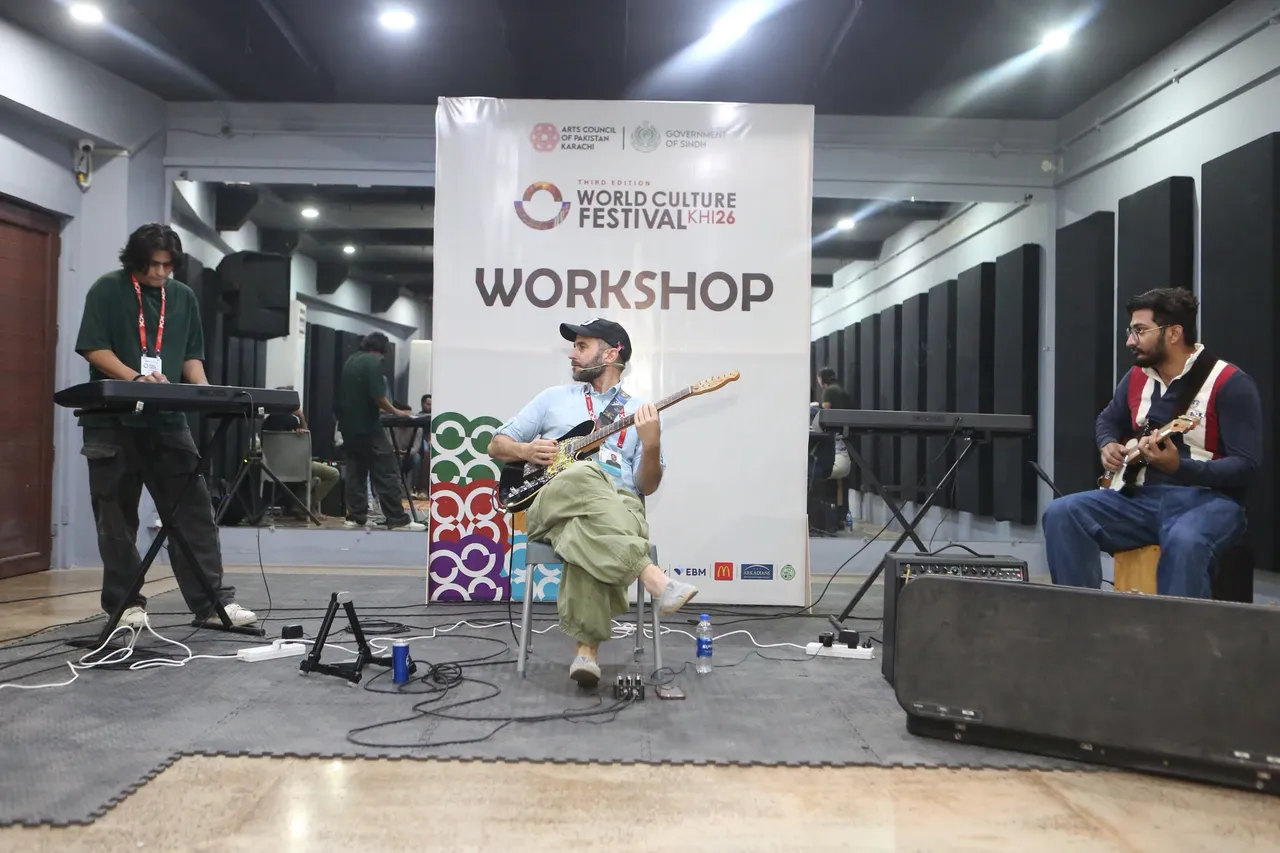
During a conversation at the festival, Lipovan shared his thoughts on improvisation, overcoming the fear of making mistakes, his unconventional musical journey, and the cultural connections that emerge when musicians from different backgrounds come together.
Improvisation Requires Knowledge
Challenging one of the most common misconceptions about improvisation, Lipovan believes that creating music spontaneously does not mean doing so without knowledge.
Referring to a quote by an economist, he explains that improvising without knowledge is essentially evidence of being unprepared. While musicians do not necessarily need extensive theoretical training, they should have some understanding of the music they are exploring.
He illustrates this with a simple analogy: knowing where a store is helps you find your way there, but you still have to make the journey.
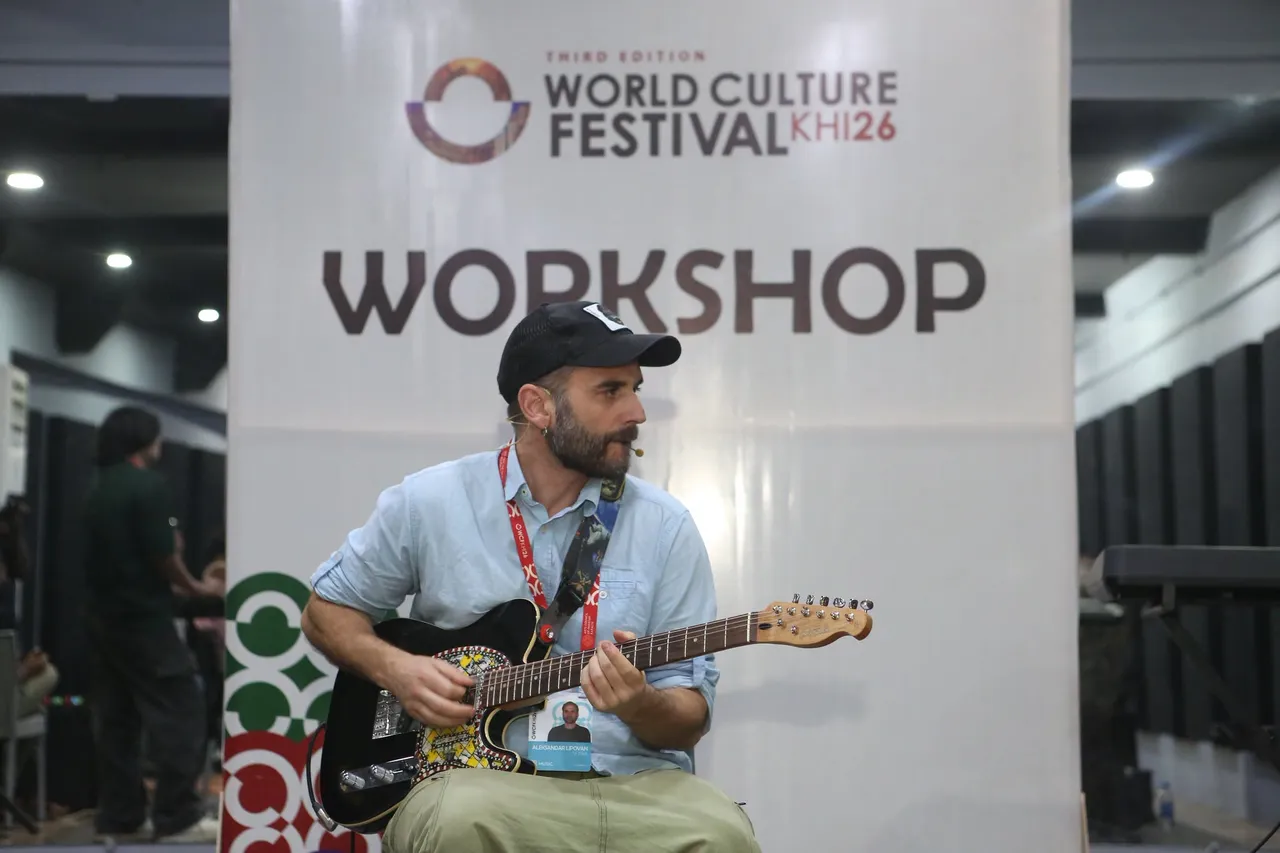
For Lipovan, improvisation is not a performance of technical superiority or an opportunity to impress others. “It is a continuous process of questioning oneself, exploring possibilities, and discovering one's artistic direction,” he shares.
There Are No Wrong Notes, Only Opportunities to Keep Playing
One of Lipovan's most encouraging messages is directed at musicians who struggle with the fear of making mistakes.
His philosophy is straightforward. “There is no wrong note. To me, there is no wrong note, it's just the way how you express this wrong note,” he says.
Acknowledging that musical theory does distinguish between correct and incorrect notes, he reminds musicians that even the greatest masters have made mistakes. The difference lies in how one responds to them.
According to Lipovan, performers are usually far more aware of their mistakes than their audiences. What listeners are more likely to notice is a musician freezing, stopping or losing confidence because something did not go according to plan.
He compares this to the game of basketball. When the ball goes out of play, you do not abandon the game. You get another ball and continue playing.
The same principle applies to music: do not allow one imperfect moment to take away from the entire performance.
Finding Your Own Musical Voice
When asked what he hopes young musicians will take away from his workshop, Lipovan emphasizes the importance of artistic individuality.
“I want to be remembered as encouragement to young musicians to express themselves in their own way, to try to play their own music.”
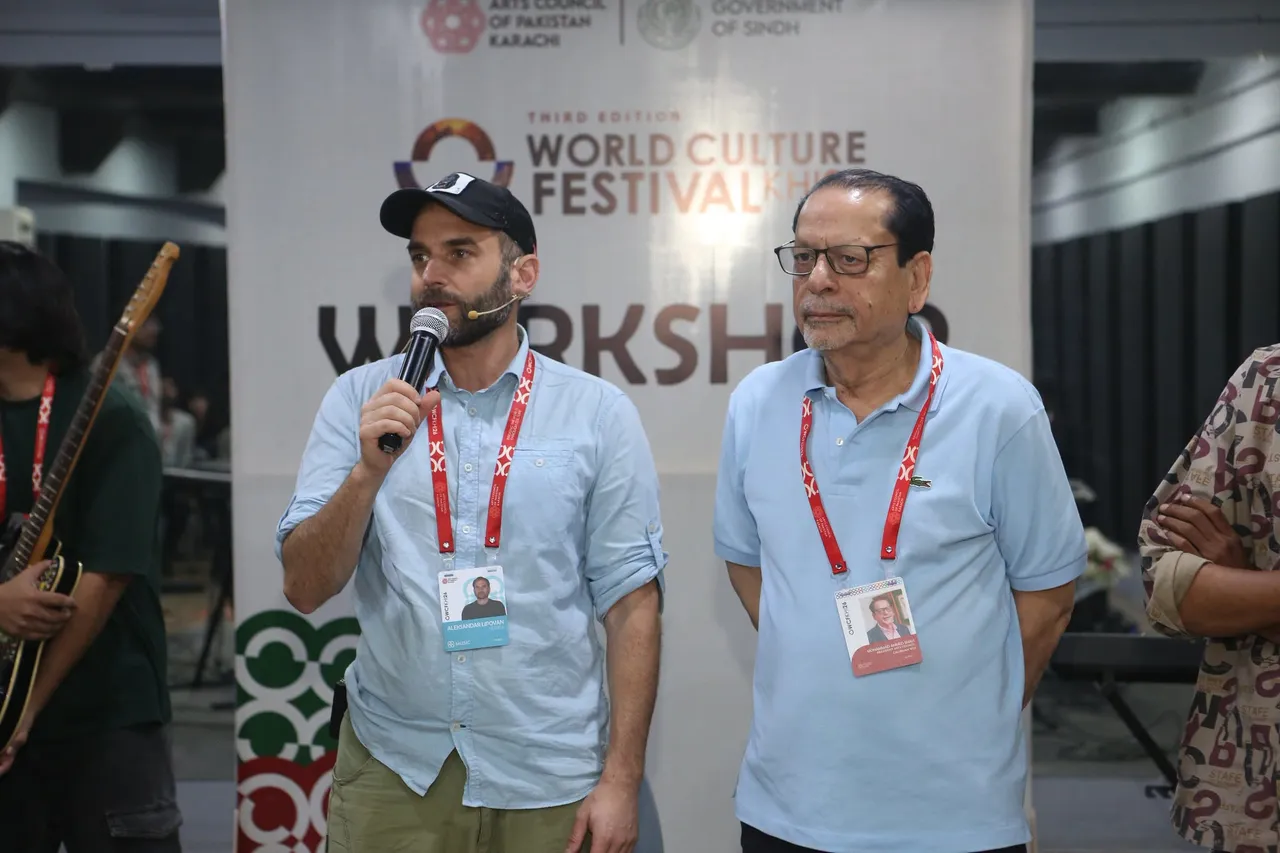
His advice is not to create music simply to please someone else or to make an impression. Instead, musicians should find satisfaction in what they play, remain honest about their creative choices and take pride in the art they present to others.
For him, authenticity is what ultimately connects an artist with an audience.
From Nirvana to Improvisation: An Unconventional Musical Journey
Lipovan's own relationship with improvisation began long before he developed an international performing career.
Interestingly, he does not describe himself as a formally educated musician. He considers himself an autodidact, having started out by playing music with friends during his high school years.
His interest in music was shaped by rock and roll and, particularly, grunge. Listening to the musical band, Nirvana inspired him to pick up the guitar and pursue music.
At around 16, while attending gymnasium, he began learning guitar. Improvisation was already incorporated into his musical education. After learning basic chords, students were encouraged to improvise melodies based on songs they had heard.
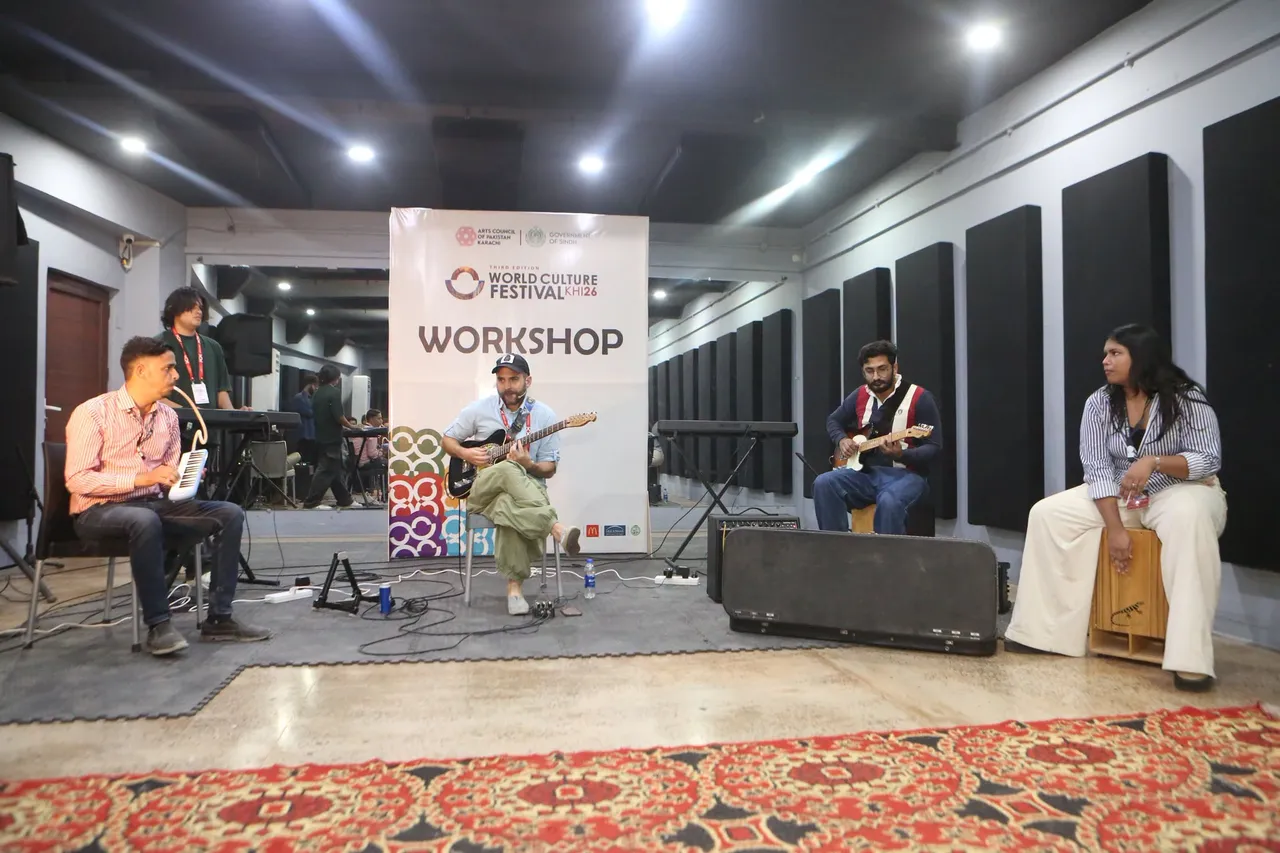
At the time, music technology was not as advanced as it is today. Learning songs involved listening carefully and attempting to reproduce them by ear. Since the students were not yet skilled enough to transcribe every note, improvisation offered an alternative.
When they could not reproduce a guitar solo note for note, they created their own versions, experimenting with melodies that sounded right to them.
Looking back, Lipovan believes this process taught him something fundamental: improvisation allows musicians to find creative solutions beyond what is written on a page.
The Best Jam Sessions Are About People, Not Places
Having performed in several countries, Lipovan has experienced a wide range of musical environments. A significant part of his international journey came through his five-year engagement with AIDA Cruises, where he performed across the Caribbean, the United States, the Middle East, Africa and the Mediterranean, among other destinations.
Yet, when asked which country offered him the most memorable jam-session experience, he did not single out a particular destination.
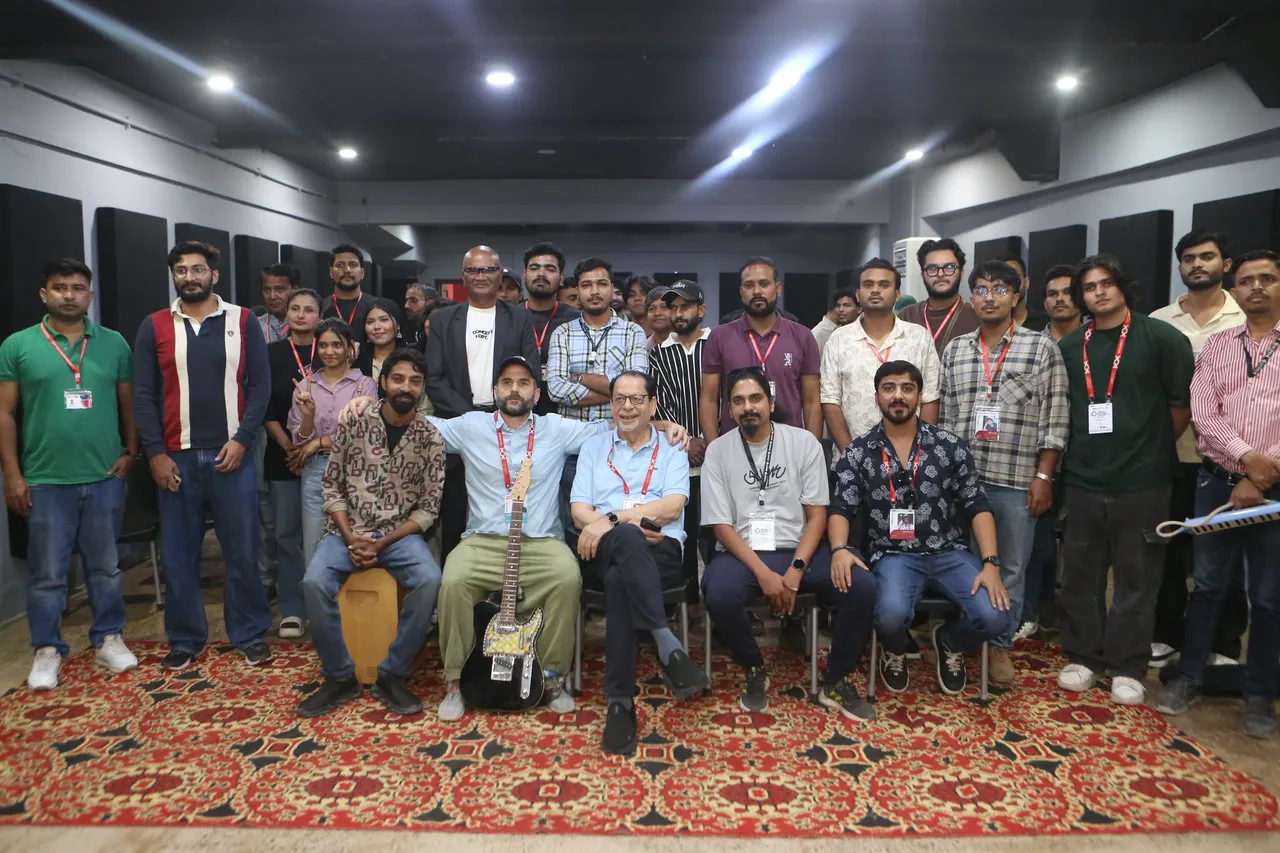
For him, the success of a jam session depends on the people participating rather than their geographical location or individual technical abilities.
Pakistan: One of the Best Jam Sessions
However, among his recent experiences, Lipovan particularly enjoyed a jam session in Pakistan, describing it as one of the best he has participated in.
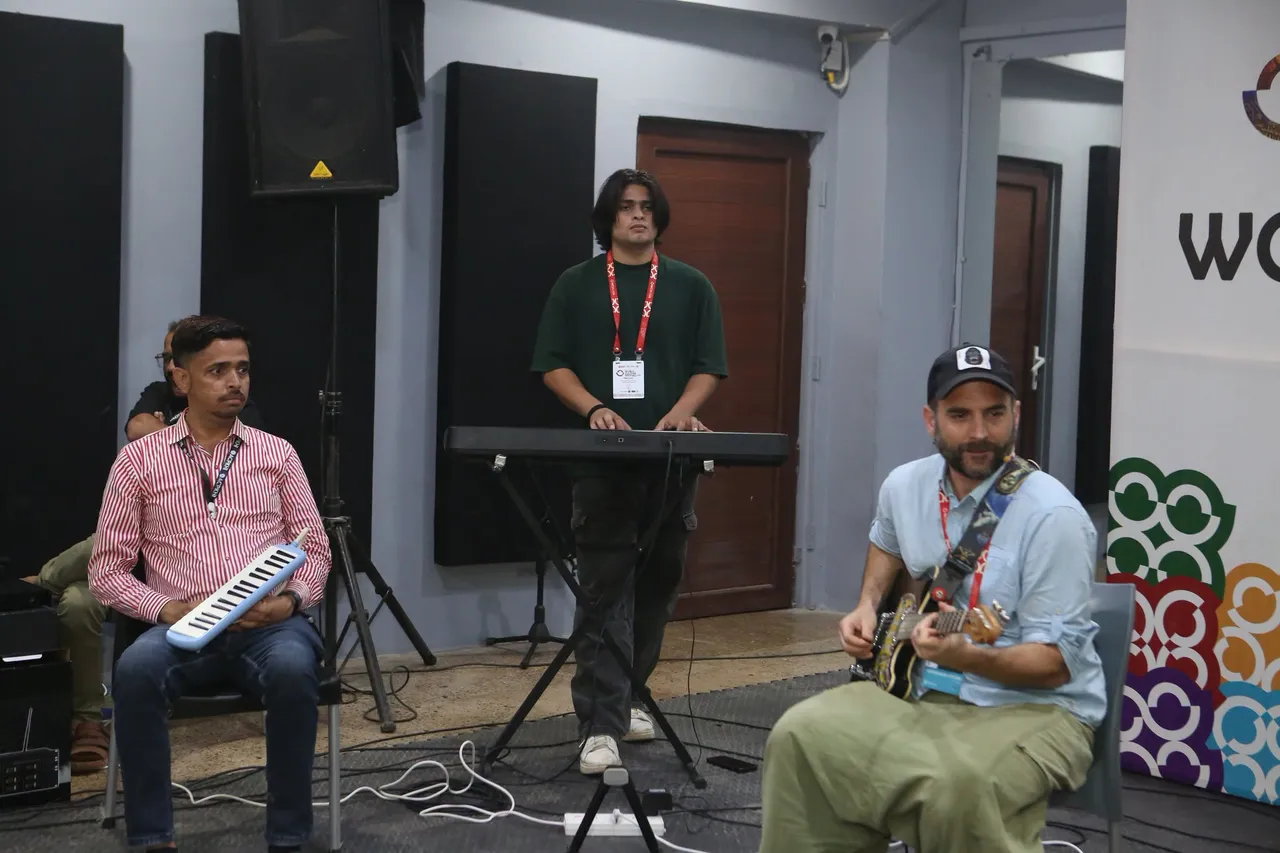
What made it special was the opportunity to collaborate with musicians playing instruments he had never previously performed alongside, particularly Tabla and traditional Flute players.
The experience introduced him to different musical expressions and cultural traditions, allowing him to explore how musicians from distinct backgrounds communicate through their instruments.
The collaboration became an exciting meeting of musical worlds. Rather than simply performing alongside one another, the musicians found ways to merge their approaches and understand each other's creative intentions.
“There was a really, really honest and comprehensive musical conversation between us,” he expressed delightfully.
Discovering Pakistan Beyond Karachi
This visit also marked Lipovan's first experience of Pakistan, made possible through the World Culture Festival.
He admitted that without the invitation, Pakistan might never have become a destination he would have considered visiting. However, his experience has left him genuinely interested in returning.
While he has enjoyed his time in Karachi, he is keen to explore other parts of the country, particularly Islamabad, Lahore and the northern regions.
Play Honestly, Listen Closely and Keep Going
A conversation with Aleksandar Lipovan offered a refreshing perspective on what it means to be a musician.
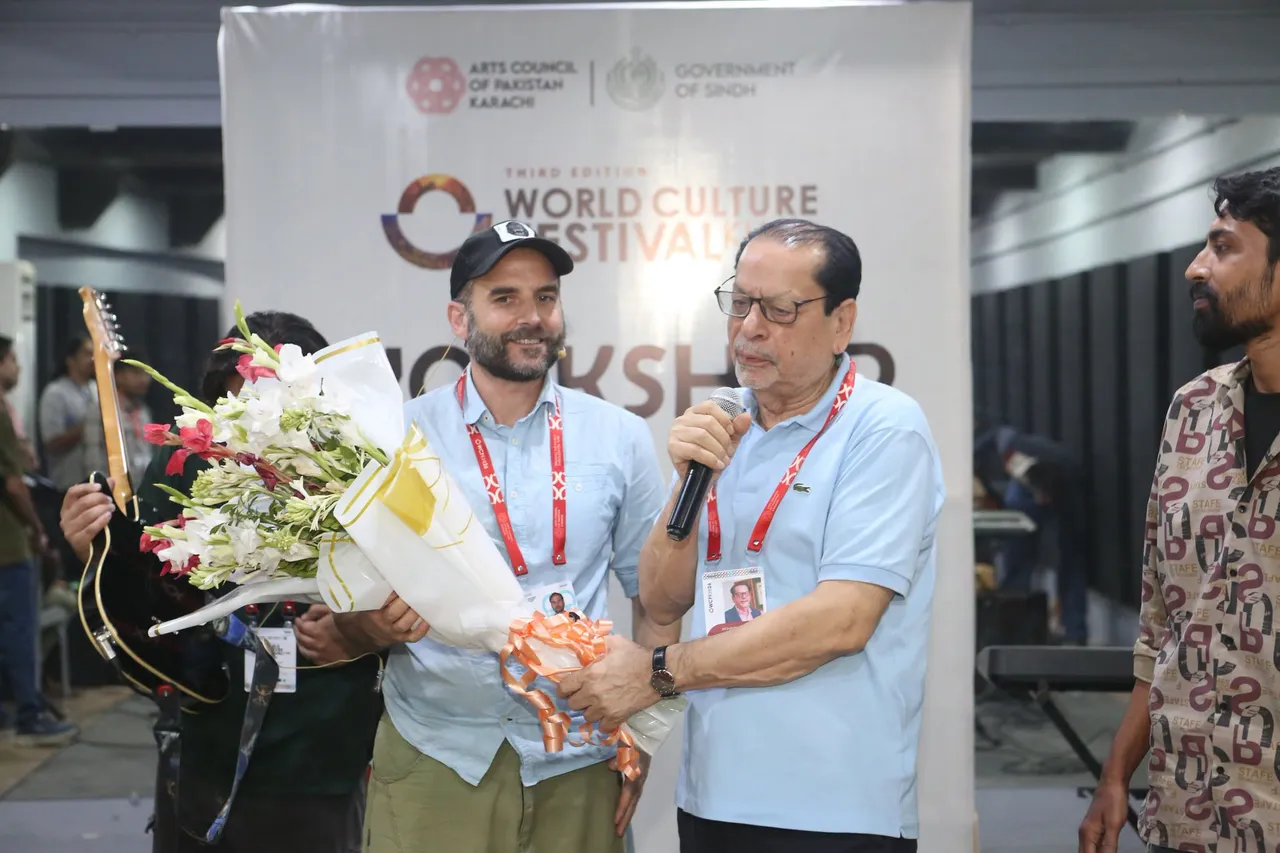
Improvisation is not simply about playing without a script. It is about having enough knowledge to explore freely, enough confidence to embrace mistakes and enough humility to create something meaningful with others.
His message to young musicians and the workshop participants is particularly relevant. “Do not become so concerned with impressing people that you lose sight of your own artistic expression. Make mistakes, keep playing, listen to the people around you and find your own musical voice,” he advises.
After all, the most memorable musical experiences are not always about playing every note perfectly. Sometimes, they are about the conversations that happen between the notes.
If Lipovan's advice has you itching to pick up your instrument, don't wait for a perfect moment. Follow World Culture Festival 2026 to catch the next workshop, and keep making music!