FOUR CHARACTERS, ONE WOMAN: GILLIAN RHODES ON REVISITING OLD EMOTIONS ONSTAGE
What does it take to revisit emotions you have already overcome? And when a performer brings different versions of herself to the stage, where does the character end and the person begin?
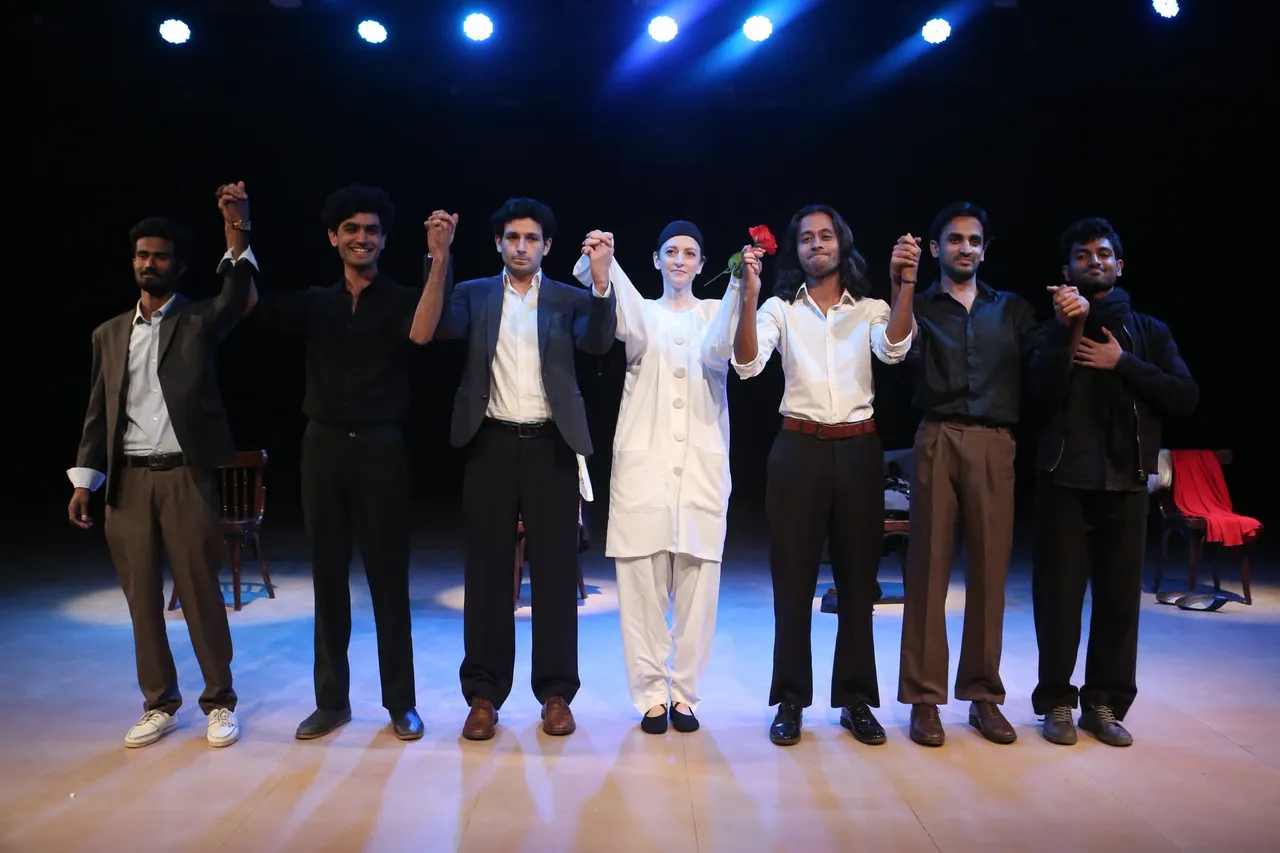
These questions hung in the air at the World Culture Festival at the Arts Council of Pakistan, where American artist Gillian Rhodes presented a play called “The Interview,” an autobiographical, interactive performance revolving around a character who is being questioned and asked to share something that she hasn’t thus far shared. In a conversation after the show, she gave a candid look at the emotional and practical realities of bringing such a personal production to life.
The Artist Behind the Characters
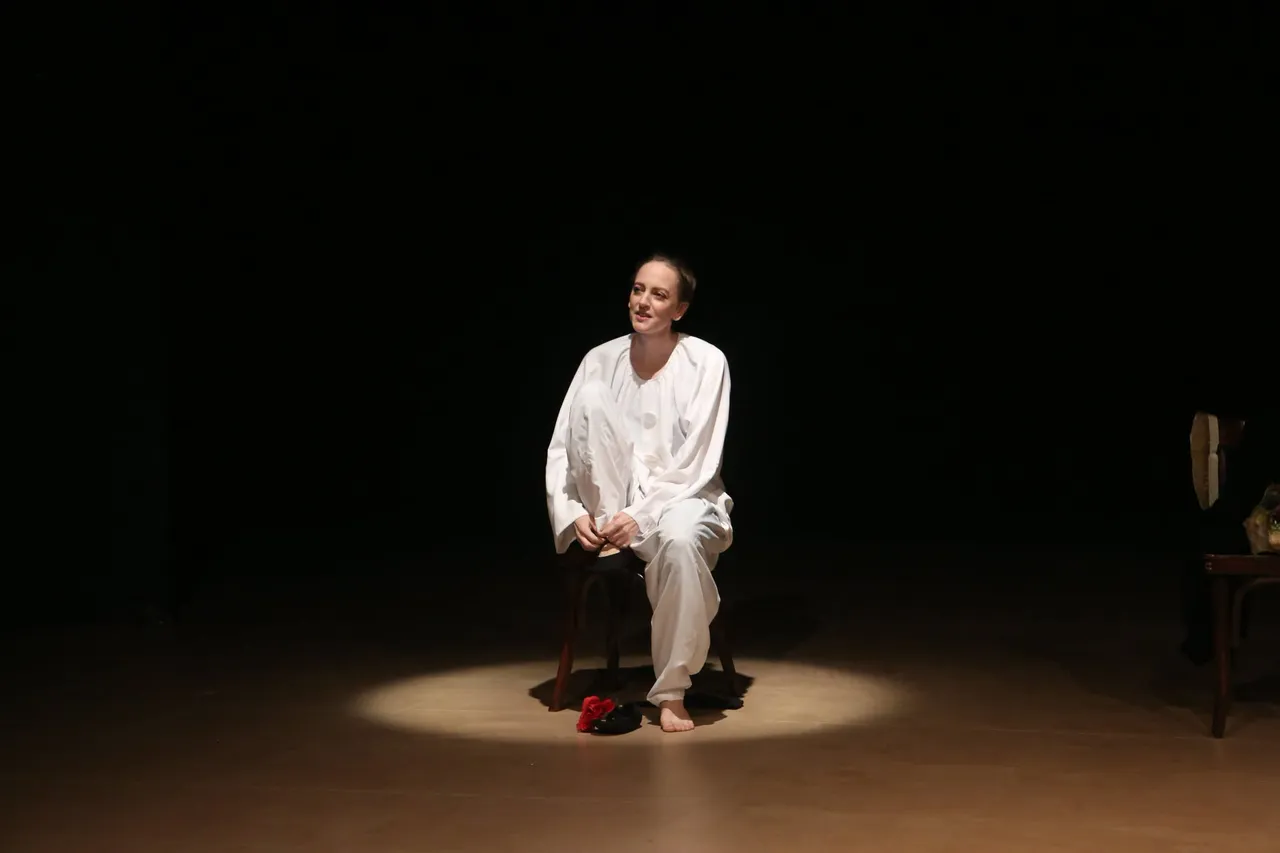
Rhodes is an international change-maker whose work sits at the intersection of movement, performance and storytelling. A Columbia University graduate, she has spent more than 14 years in the performing arts and has performed in over 20 cities across 11 countries. She speaks five languages and has lived and worked in Cambodia, South Korea and Pakistan. She now holds a Golden Cultural Visa and lives in Dubai. She has also designed her own methodology for embodied communication, “Storytelling in Motion,” which shapes how she turns lived experience into performance.
The Emotional Challenge of Portraying Different Characters
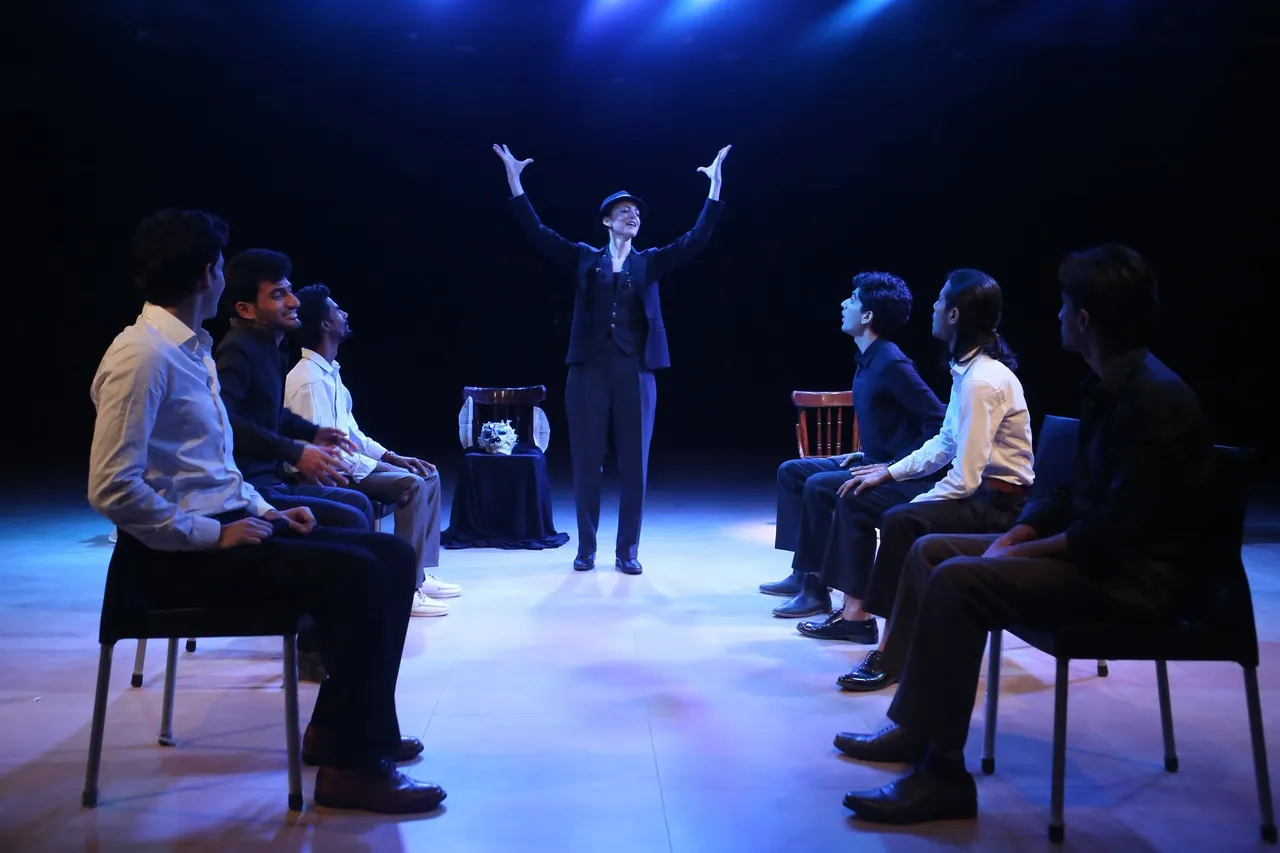
Among the four characters in the play, the Alien and the Clown proved particularly demanding. Each required the performer to carry considerable emotional weight while recreating feelings that were no longer part of their present reality. “Finding the right emotional connection, authenticity and openness became the real challenge,” she shared. “It is one thing to remember an experience; it is quite another to make an audience feel its emotional truth,” she added.
Not every challenge, however, was existential. On the practical side, the performer humorously singled out putting on the Lady in Red's earrings as the most difficult logistical aspect of the show. However, despite the struggle with the long earrings, she smoothly managed to maintain the character and carry on with the performance.
Performing Experience in Pakistan and Previous Connection with the Country
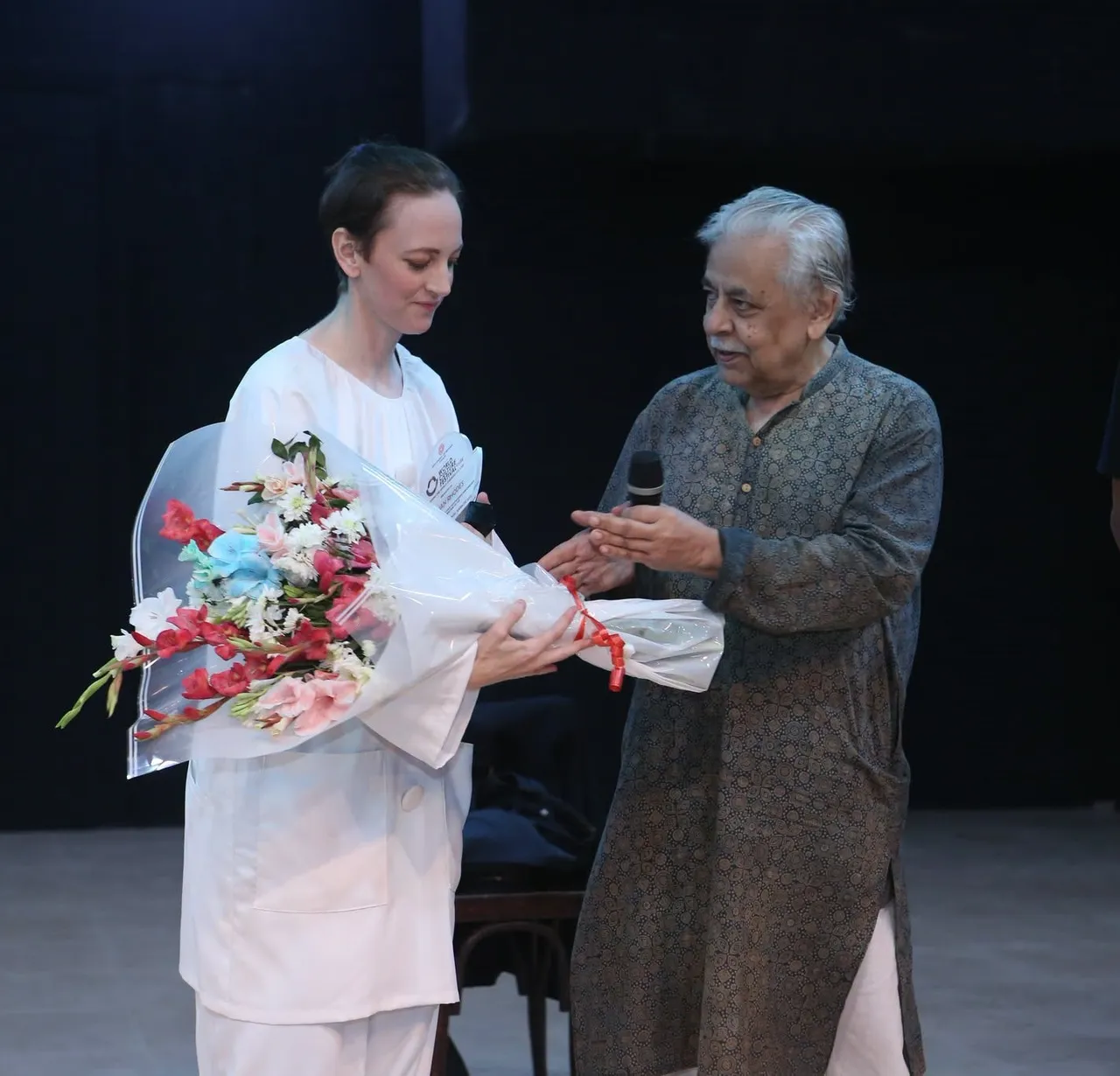
The conversation also touched upon the audience's response in Pakistan. Having performed in different countries, the artist was particularly pleased with the Karachi audience, describing them as attentive. “While Karachi audiences can sometimes be restless, this particular gathering remained engaged throughout the performance, making the experience especially enjoyable,” Rhodes expressed.
Pakistan, meanwhile, is not an unfamiliar destination for her. Having lived in Lahore for six years, she has developed a personal connection with the country and even acquired the ability to speak Urdu. Reflecting on her experiences, she described Pakistan as complicated in many ways but emphasized how much she has enjoyed the opportunities and creative possibilities she has found here. She also expressed particular appreciation for working with the students involved in the production.
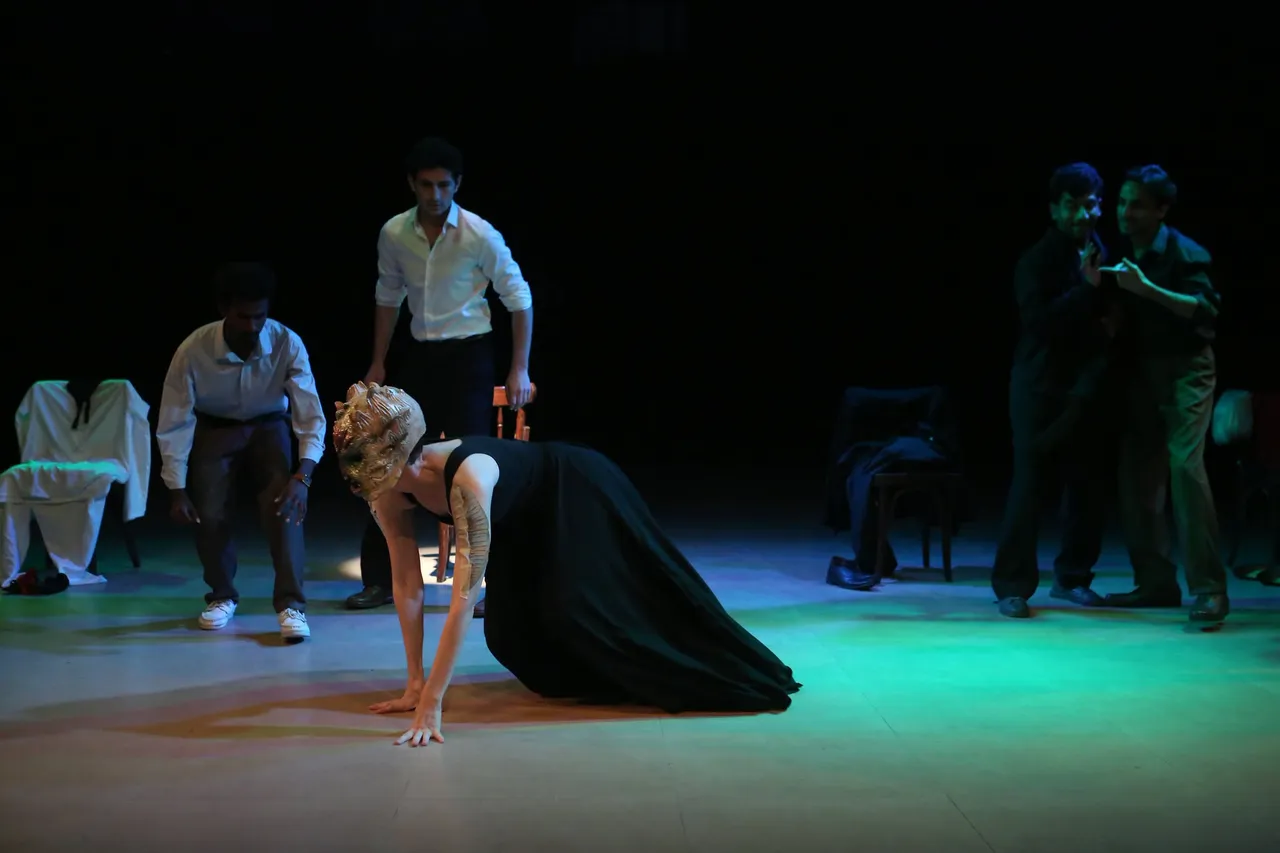
Three Words, One Premise
Asked to sum up the show in three words, Rhodes chose autobiographical, interactive and thoughtful to describe it. These words capture the production's central premise: a deeply personal exploration that also invites the audience to take part in its larger questions.
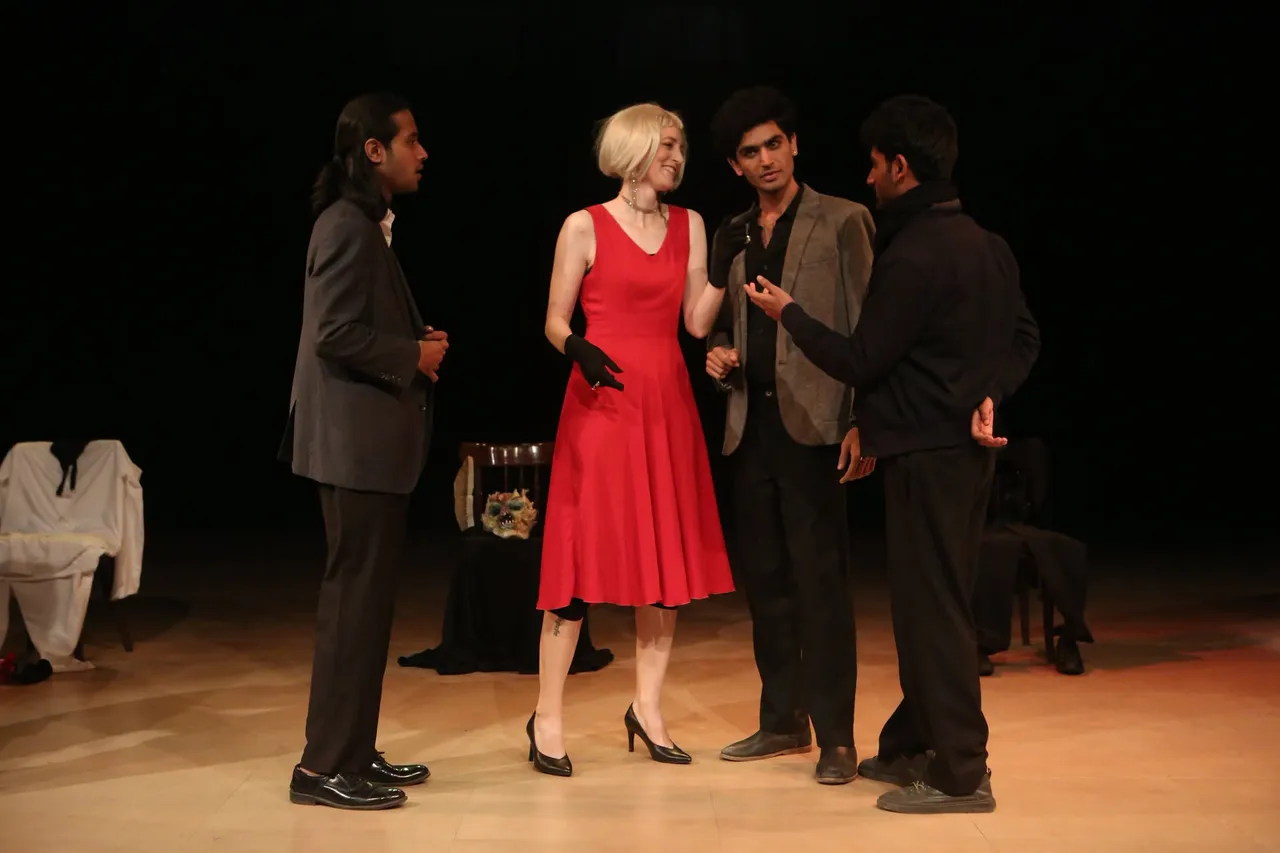
All of Them!
Perhaps the most intriguing moment came when we asked which of the four characters the performer believed she truly was.
The answer was simple: "All of them."
That response captures the essence of the production. The characters are not necessarily separate identities but different dimensions of the same individual. Yet, as Rhodes explained, the journey eventually leads to a moment when a person must choose to become one of them.
And perhaps that is where the performance leaves its most interesting question with the audience: Are we defined by one version of ourselves, or are we an accumulation of all the identities, emotions and experiences we carry?