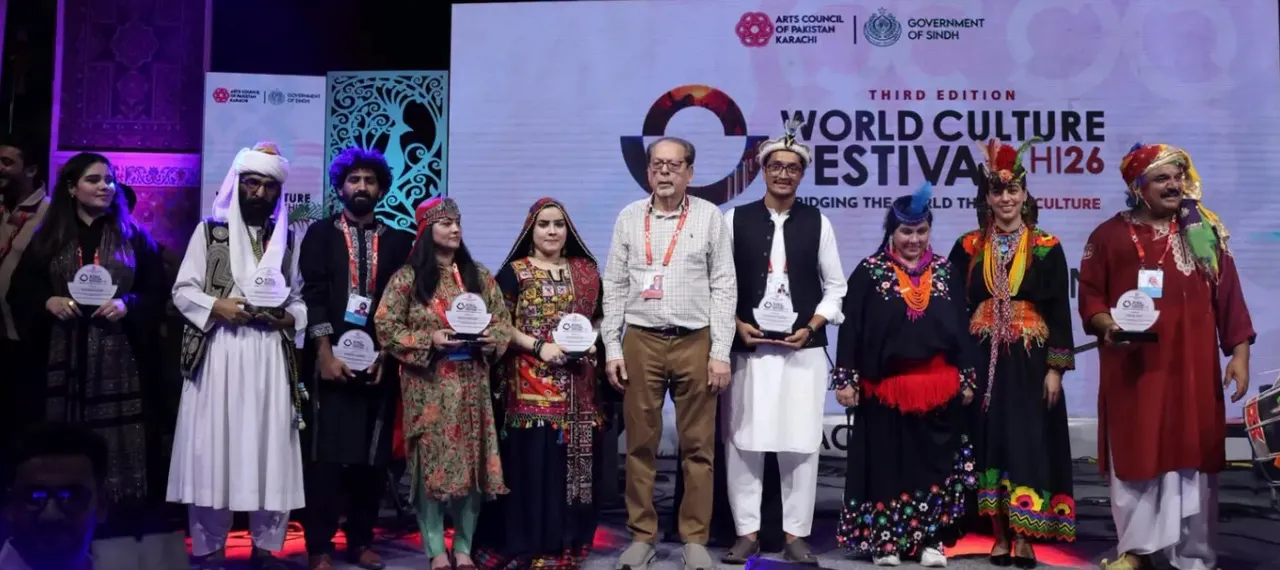
ONE COUNTRY, SEVEN VOICES: A NIGHT WHEN PAKISTAN SANG IN ITS OWN LANGUAGES
There was a moment, just before a song in an unfamiliar language began, when the audience leaned in. Nobody had understood a word yet. By the end of the evening at Jaun Elia Lawn though, nobody needed to. That interest and captivation of the audience, repeated across seven languages, was the highlight of the musical night being held on Saturday, 31st October 2026.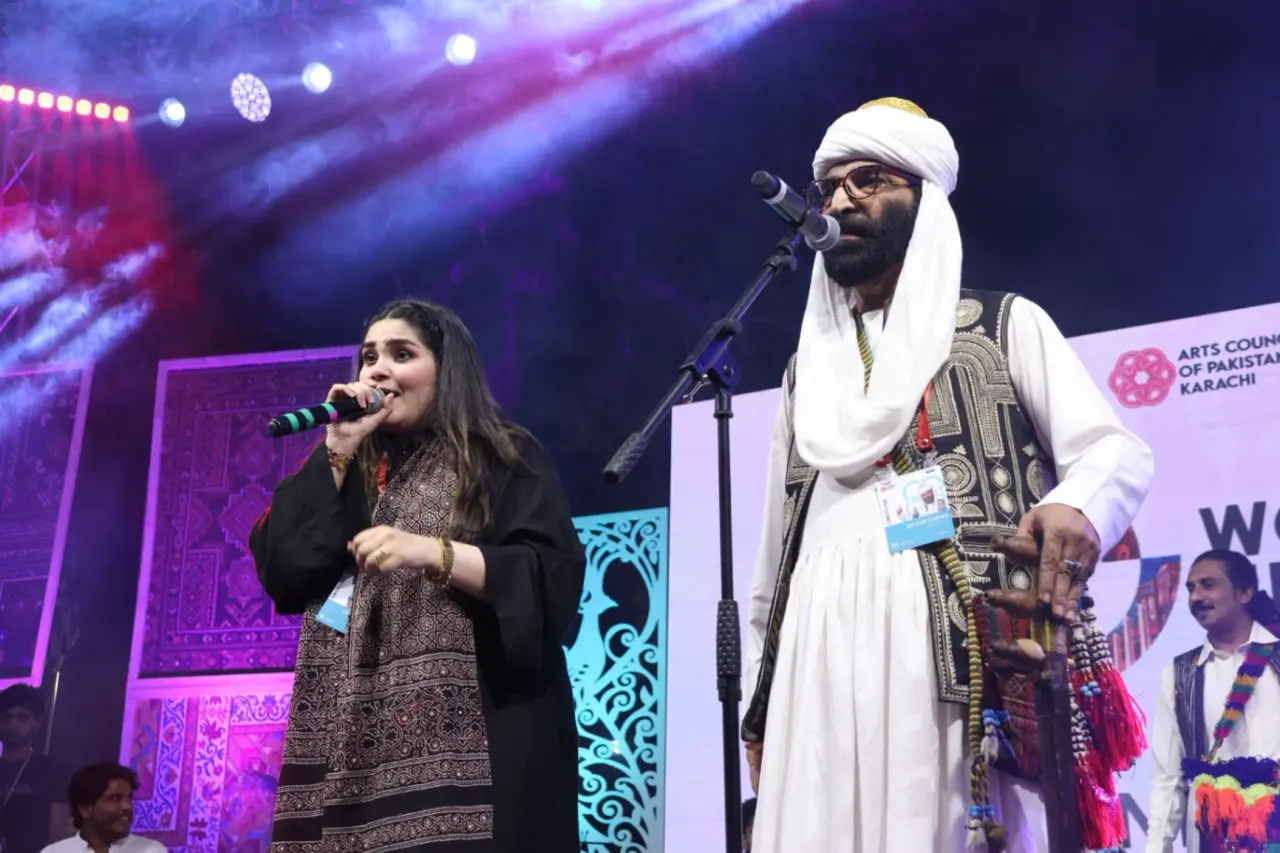
On the third day of the World Culture Festival 2026, under the open sky of Jaun Elia Lawn at the Arts Council of Pakistan, the "Sounds of Sohni Dharti" began with an array of musical performances in Balochi, Punjabi, Kashmiri, Saraiki, Urdu, Sindhi and Pashto. Each arrived on stage in its own language, and the audience enjoyed it anyway.
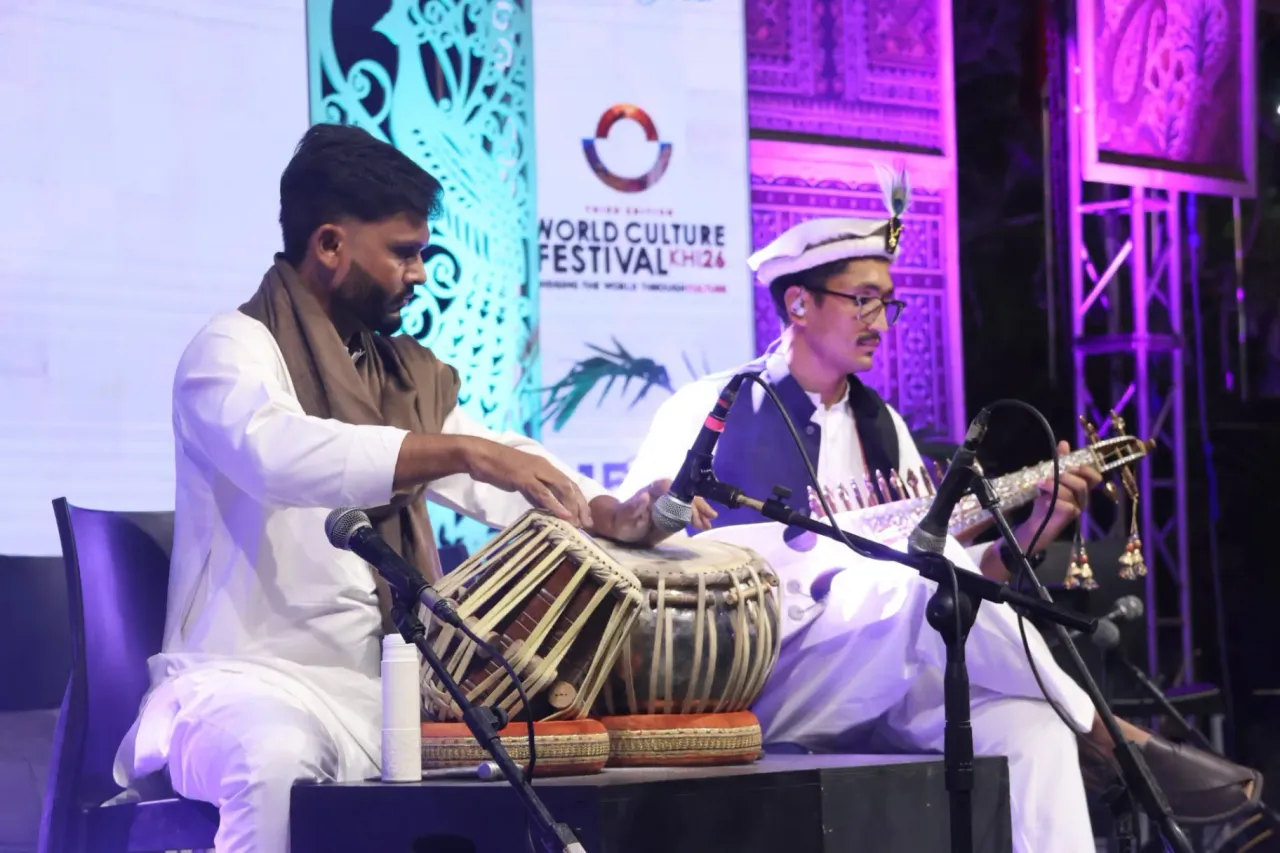
The show opened with a soulful presentation by Basharat Babar, who let the warm, resonant strings of the rubab speak without a single word. Among the standout folk showcases of the evening were the Veerunisa Duo and The Rhythms of Gilgit-Baltistan, whose vibrant performances displayed Pakistan's rich musical and cultural diversity.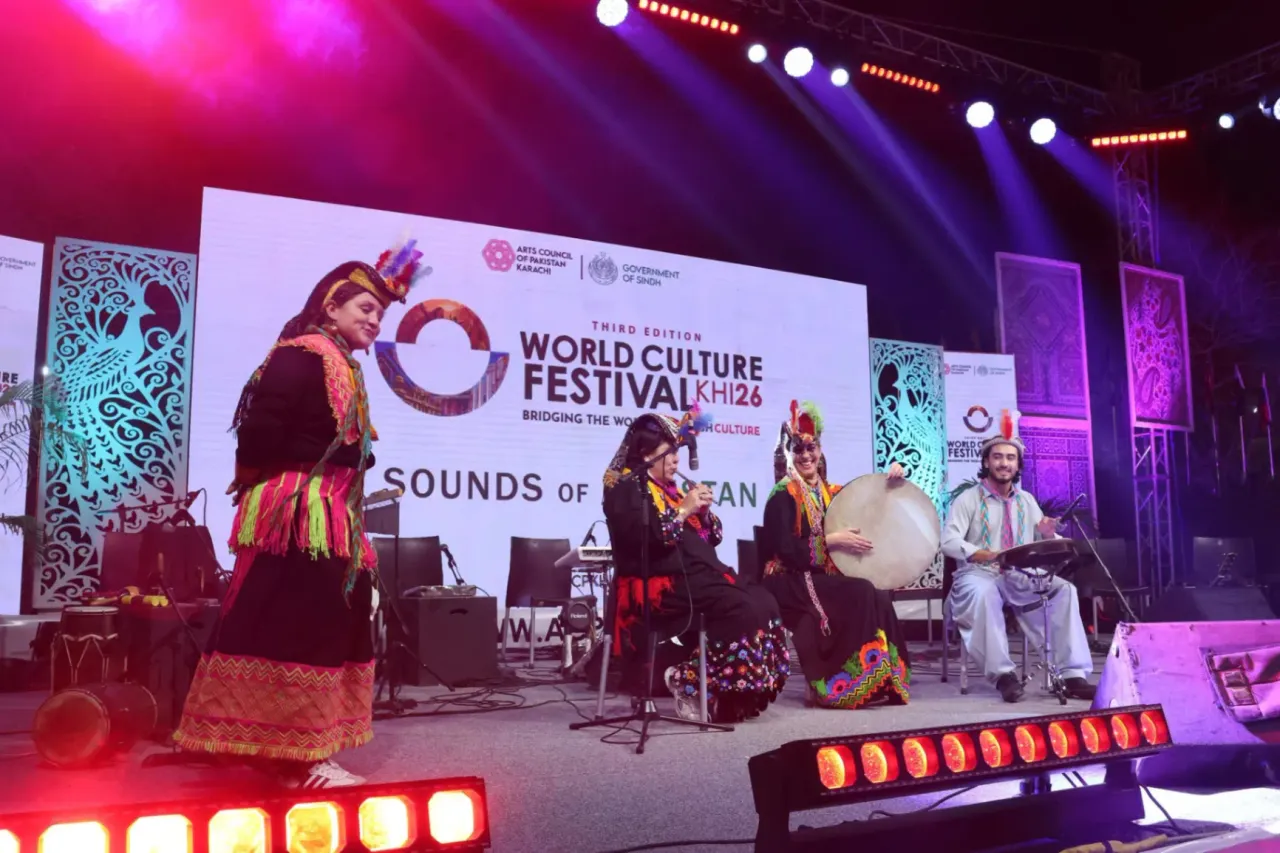
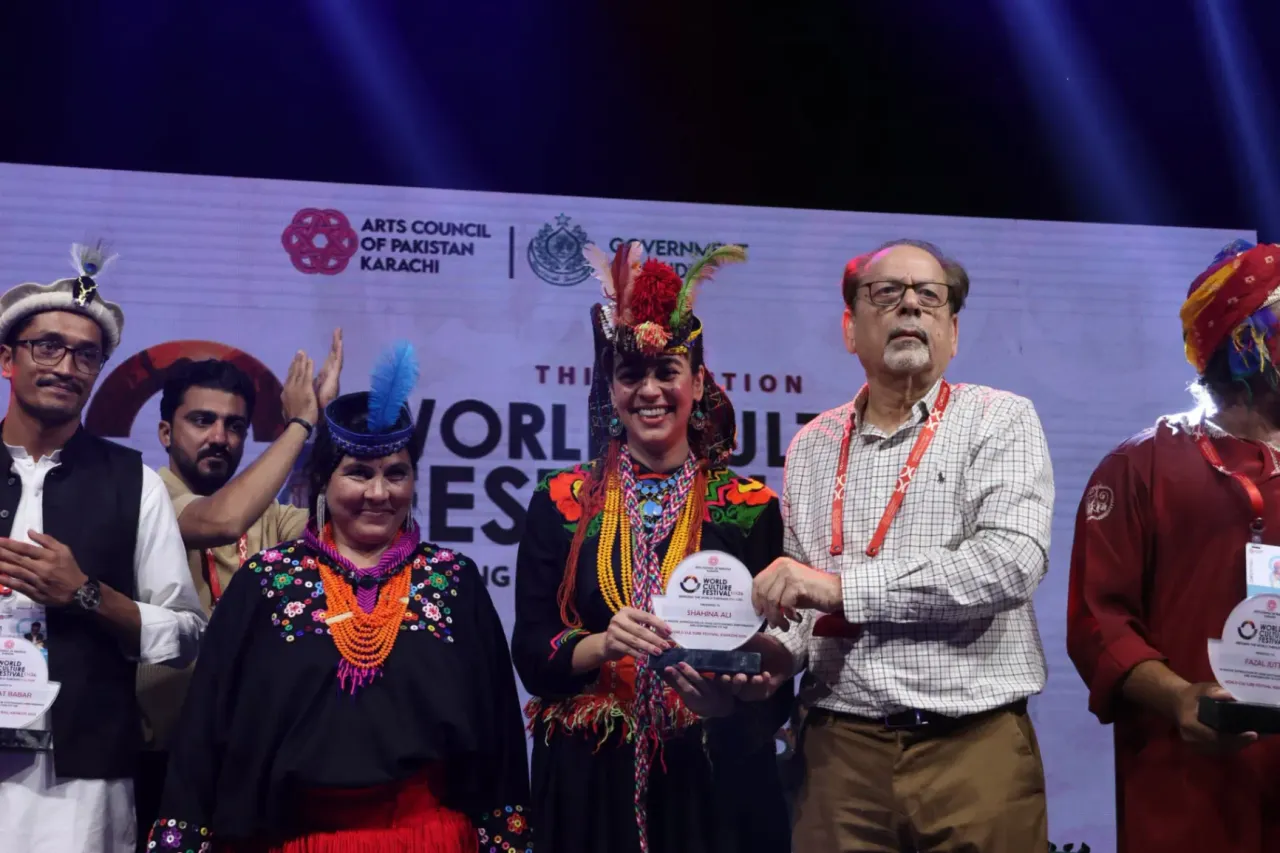
Next came Nabeel Abbas of Dera Ghazi Khan, a Pakistan Idol 2025 Top Sixteen finalist, who brought a flexible, melodious voice to the stage. Shahina Ali followed, her repertoire including Sindhi-language music, represented at the event through “Kawar Sho Kare Thu Aga.”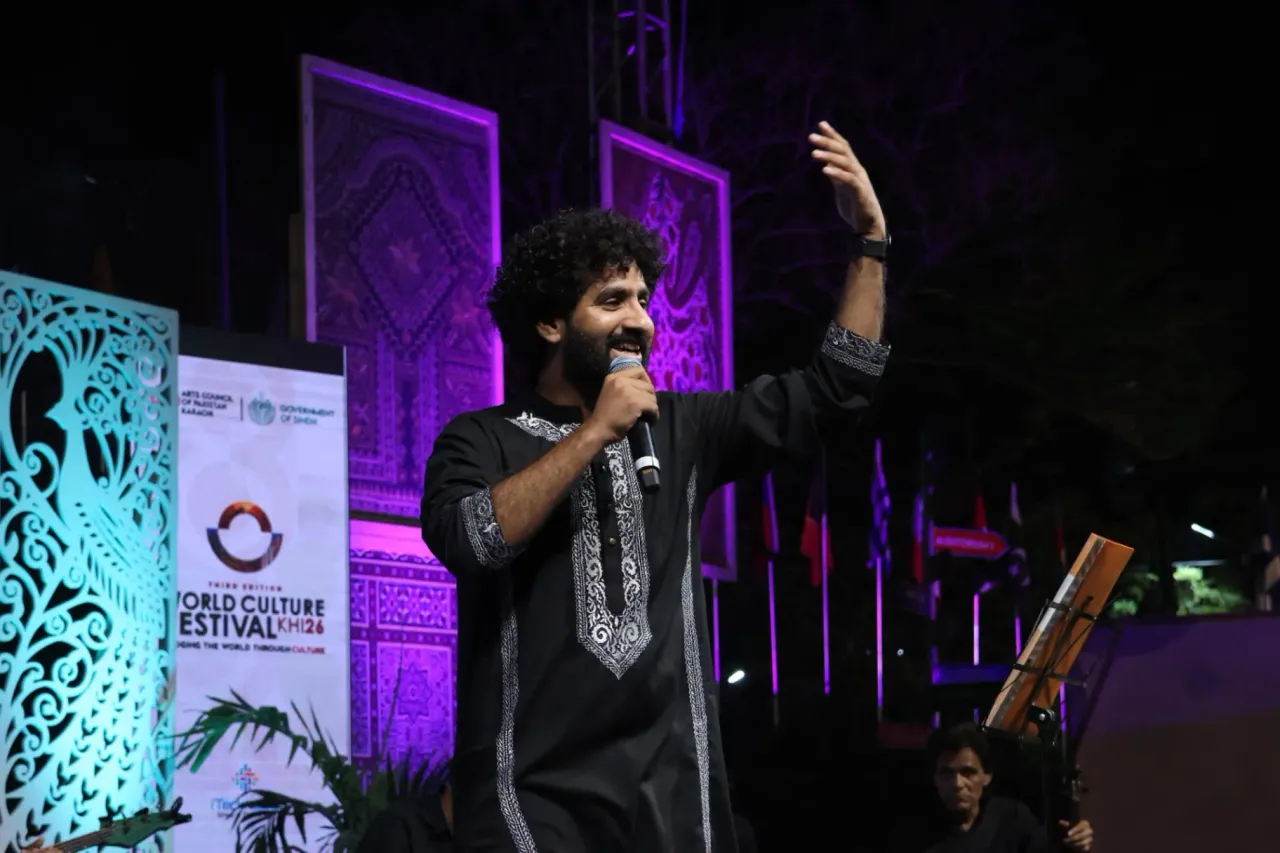
Bano Rehmat, from Muzaffarabad, then presented Kashmiri folk songs, and her multilingual lineup showed that heritage can be guarded and shared at once. The younger generation held their own. Maham Tahir of Khanpur, also a Pakistan Idol star, whose singing connects an interest in devotional traditions with an expressive approach, turned toward Sufi verse, Naat and spiritual poetry, making the lawn grow quiet, lost in the mellifluous flow.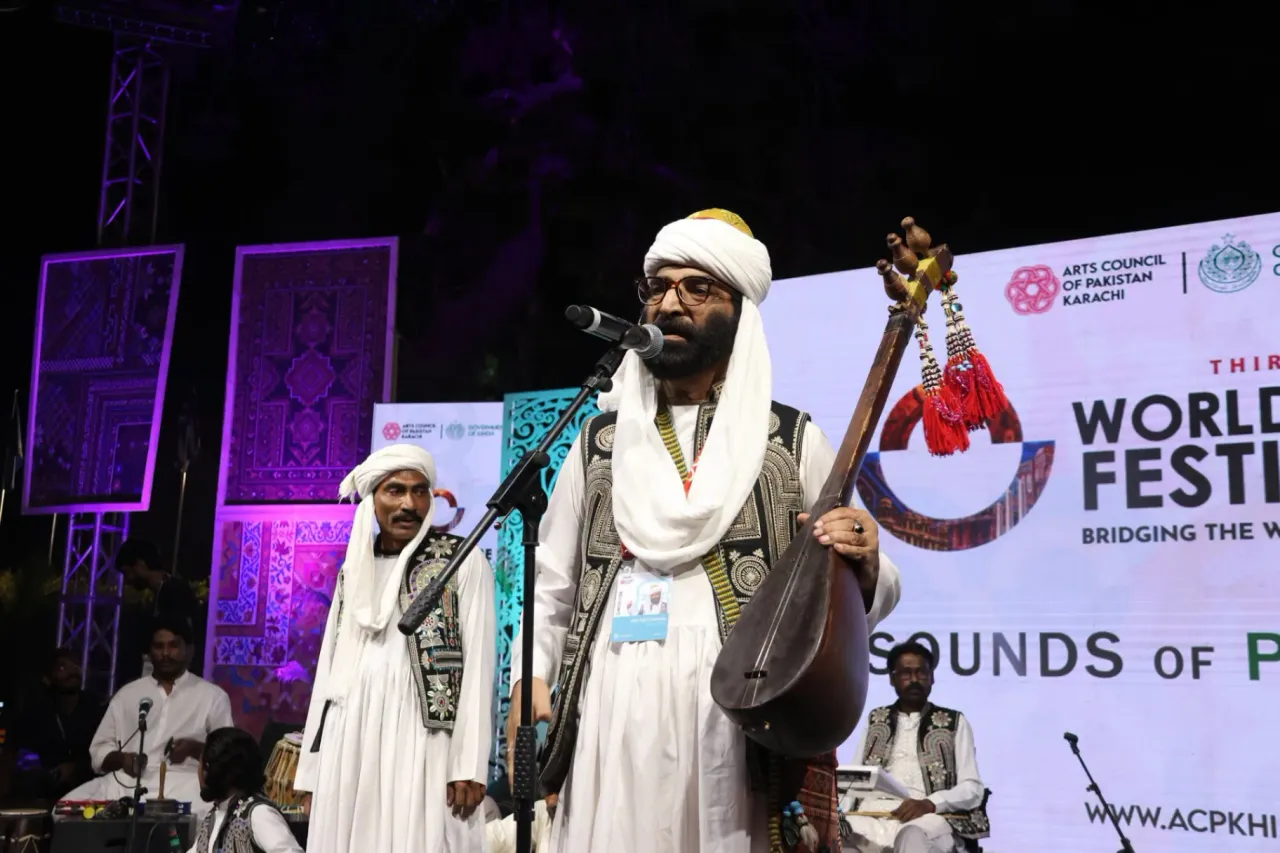
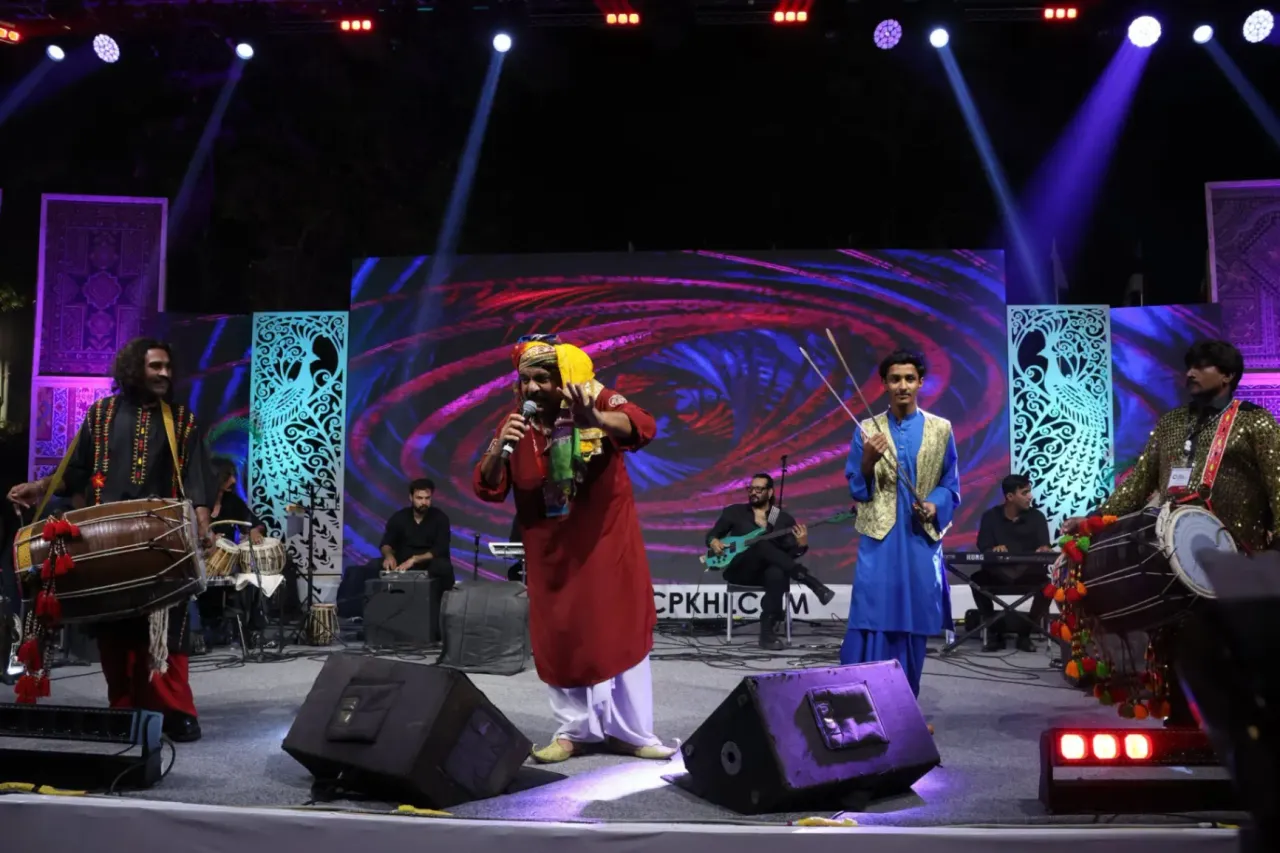
Akhtar Chanal opened his performance with the force of a mountain wind, carrying the Balochi and Brahui folk traditions of his homeland in a voice that needed no amplification to feel enormous. Then came Fazal Jutt, who is less a singer than a storyteller. Drawing on the tales of Heer Ranjha, Sohni Mahiwal, Mirza Sahiban and Dulla Bhatti, he brought Punjabi legends to life through song and narration.
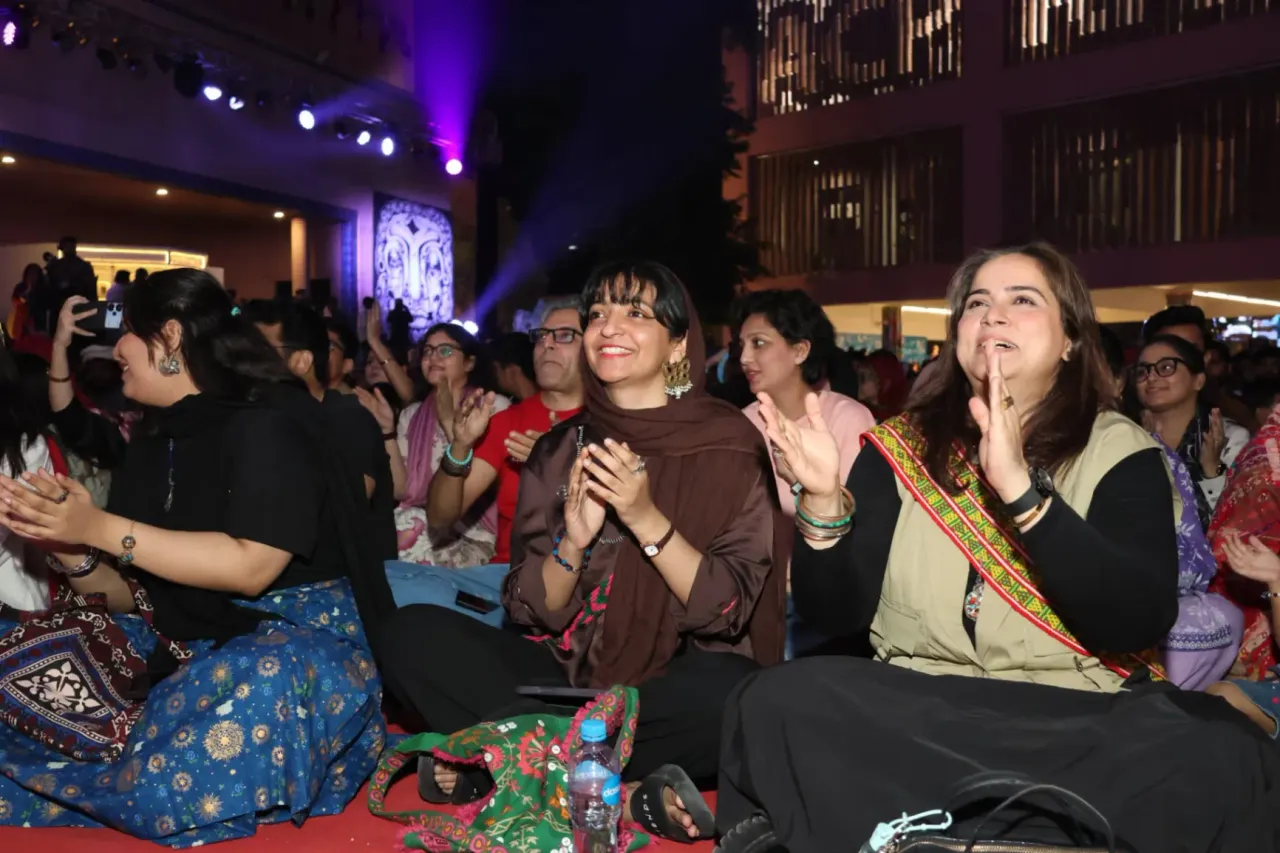
"Sounds of Sohni Dharti" has set a high bar for the rest of the World Culture Festival 2026. If this evening was any indication, the festival's promise of connection across cultures is one it intends to keep in the times ahead. Stay tuned for what's coming up next at World Culture Festival 2026.